



N-Heptane
Zouping Jinxing Chemical Co., Ltd. is one of the leading manufacturers and suppliers of n-heptane in China. If you're going to wholesale bulk n-heptane made in China, welcome to get free sample from our factory. All customized products are with high quality and low price.
Basic properties
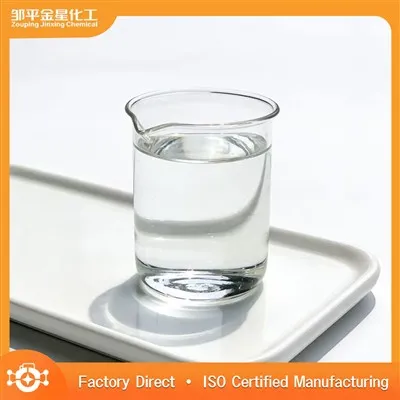
Appearance: n-Heptane is a colorless, transparent, and volatile liquid with an odor similar to gasoline.
Melting point: -90.6°C
Boiling point: 98.4°C (at atmospheric pressure; between xylene and S-100 aromatic hydrocarbons)
Density: 0.6838 g/cm³ (at 20°C; approximately 32% lighter than water)
Flash point: -4°C (closed cup)-highly flammable; classified as a Class I flammable liquid
Auto-ignition temperature: Approx. 223°C
Refractive index: n²⁰_D 1.3878
Solubility: Insoluble in water (~0.0003 g/100 mL); a representative non-polar alkane solvent; soluble in ethanol, diethyl ether, chloroform, and aromatic hydrocarbons; dissolves fats, oils, waxes, and certain rubbers; insoluble in polar substances and high polymers (e.g., PA, PAN)
Octane rating: 0 (Research Octane Number, RON=0)-this is its most notable significance as a reference standard; isooctane has a RON of 100, while n-heptane serves as the zero-point reference for engine knock calibration.
Primary Uses
Standard fuel: A mixture of n-heptane and isooctane is used to produce reference fuels for calibrating the anti-knock performance of gasoline engines (crucial for the determination of octane numbers).
Chromatographic solvent: GC injection solvent; HPLC mobile phase (rarely used, primarily as an eluent in normal-phase or gel permeation chromatography/GPC); high-purity n-heptane is commonly used for GPC calibration.
Rubber/Polymers: Used to wash away unreacted monomers after the polymerization of synthetic rubbers (SBR, BR); serves as a low-boiling alkane diluent for adhesives and pressure-sensitive adhesives.
Oil/Fat extraction: Soybean oil/vegetable oil leaching experiments; extraction of oils and fats from natural products (as a substitute for petroleum ether).
Cleaning agent: Degreasing and cleaning of electronic and optical components (fast-drying, residue-free, non-corrosive to metals).
Reaction medium: Free-radical halogenation; high-temperature cracking studies; non-coordinating inert solvent for certain organolithium reactions.
Safety and Toxicology
Acute toxicity: Low toxicity; oral LD₅₀ in rats ≈ 2.2 g/kg. However, due to high volatility and high lipophilicity, inhalation of high concentrations causes dizziness, nausea, and ataxia; extremely high concentrations induce anesthesia.
Chronic effects: Long-term inhalation may cause mild neurological impairment and changes in liver and kidney weights. Not classified as a carcinogen (IARC Group 3), though industrial-grade material containing trace aromatic hydrocarbon impurities carries additional risks.
Fire and explosion hazards: Explosive limits 1.1%–6.7% (v/v); sensitive to static ignition; do not expose open containers to naked flames.
Protection: Explosion-proof ventilation, anti-static grounding; use organic vapor cartridges (for high concentrations) and nitrile or fluoroelastomer gloves. For spills, cover with sand, soil, or foam; do not flush with water (as the floating oil will spread).
Storage and transport: UN 1206, Class 3, PG II; store in a cool area and keep strictly isolated from oxidizing agents (especially liquid oxygen and nitric acid).
FAQ
Q: Key Points for Handling and Storage
A: Operate in an explosion-proof fume hood with full exhaust ventilation; monitor for LEL alarms. PPE: Anti-static clothing, oil-resistant nitrile or neoprene gloves, safety goggles, and a half-face respirator with organic vapor cartridges. Control flow rate and ensure anti-static grounding (due to extremely low conductivity and high tendency to accumulate static charge). Store in a cool, explosion-proof facility (≤30°C); keep away from oxidizing agents (e.g., nitric acid, KMnO₄, chlorine gas), strong bases, and open flames. For spills, collect using sand, soil, or absorbent pads; do not use high-pressure water jets (which can cause spreading and static buildup); dispose of as HW06/HW49 waste hydrocarbons via a qualified incineration service. Extinguish fires using alcohol-resistant foam, dry chemical powder, or CO₂; do not use direct water streams.
Q: Common alternatives
A: Reducing VOCs/Enhancing Safety: Isopropyl alcohol, n-heptane (itself a substitute for hexane), specialized hydrocarbon cleaning agents, and water-based cleaning agents; Chromatographic Development: Petroleum ether (mixed alkanes), cyclohexane (slightly polar), and methyl tert-butyl ether (MTBE); Vegetable Oil Extraction: n-Heptane (often promoted as an alternative with lower neurotoxicity than n-hexane) or supercritical CO₂.
Hot Tags: n-heptane, China n-heptane manufacturers, suppliers, factories, epichlorohydrin amine, Industrial grade High purity Tetrahydrofuran Thf, methyl acetate bottle, Methyl Tertbutyl Ether, n n dimethylene diamine, poly cyclohexylene dimethylene cyclohexanedicarboxylate
Previous
N-HexaneYou Might Also Like


Send Inquiry