



Trichlorosilane
Zouping Jinxing Chemical Co., Ltd. is one of the leading manufacturers and suppliers of trichlorosilane in China. If you're going to wholesale bulk trichlorosilane made in China, welcome to get free sample from our factory. All customized products are with high quality and low price.
Basic physical properties
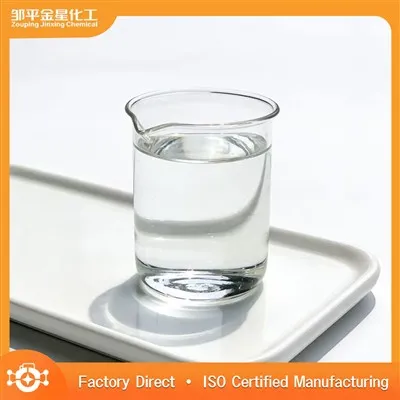
Appearance: Trichlorosilane is a colorless, transparent, and volatile liquid with a pungent, acidic odor.
Melting point / Boiling point: −126.5°C / 31.8°C
Density: 1.34 g/cm³ (20°C)
Vapor density (air = 1): 4.7 (heavy vapor; spreads along the ground)
Vapor pressure: 65.8 kPa (20°C)
Flash point: −27°C (closed cup; highly flammable)
Auto-ignition temperature: 185°C
Explosive limits: 1.2% – 90.5% (extremely wide range)
Primary Uses
Polysilicon (photovoltaics + semiconductors): Accounts for approximately 32–55% of global TCS consumption; the primary application
Silane coupling agents: Reaction of trichlorosilane with allyl chloride, acetylene, or methanol to produce intermediates for various coupling agents.
CVD coating: Silicon nitride insulating layers, amorphous silicon films, and silicon carbide precursors
Military smoke agents: Hydrolyzes upon contact with air to produce a white smoke of SiO₂ for obscuration
FAQ
Q: Toxicity and Occupational Health
A: Rat oral LD₅₀ is approximately 1030 mg/kg; inhalation LC₅₀ (mouse, 2h) is 1.5–2 mg/L-moderately toxic via oral ingestion, but highly irritating via inhalation; Vapors cause severe eye and respiratory tract burns and (delayed) pulmonary edema; liquid causes deep, necrotic skin ulcers; Reference maximum allowable concentration in Chinese workplaces is 3 mg/m³ (stricter than the HCl analogy); ACGIH sets a Ceiling limit of 2 ppm (calculated as HCl); Not classified as a carcinogen by IARC, though long-term exposure to HCl causes dental erosion and chronic bronchitis; GHS Label: Danger; H224 (Extremely flammable) + H250 (Pyrophoric in air) + H302/H332 (Harmful if swallowed/inhaled) + H314 (Causes severe skin burns and eye damage) + H331 (Toxic if inhaled) + H260 (In contact with water releases flammable gases).
Q: Key Points for Handling and Storage
A: Fully enclosed stainless steel system + N₂/He purge + leak alarm (HCl/flammable); open glass containers are prohibited. Store cylinders in a dry, explosion-proof gas cylinder room (≤25°C); secure upright and maintain residual pressure to prevent back-suck; keep isolated (≥50 m) from water, alkalis, alcohols, amines, oxidizers, and food. PPE: Level A chemical-resistant suit + SCBA for leak handling; full-face respirator + acid-resistant gloves (butyl rubber) + flame-retardant chemical-resistant suit for routine inspections; bare hands strictly prohibited. Firefighting: Dry powder, CO₂, dry sand, or dry stone powder-water and foam are strictly prohibited (reaction releases HCl and H₂, posing an ignition risk); use water mist to cool the cylinder exterior during a fire, avoiding direct spraying of the liquid contents. Absorb leaks with dry sand, vermiculite, or cement; neutralize exhaust HCl via remote spraying with alkaline solution (limewater/soda solution); prevent entry into sewers.
Hot Tags: trichlorosilane, China trichlorosilane manufacturers, suppliers, factories, 1 3 dimethylene, acrylonitrile antidote, butyl acetate alternative, dichloromethane anhydrous sds, High Purity Industrial Grade Chlorobenzene, methyl tert butyl ether compatibility
Previous
ChlorosilaneYou Might Also Like




Send Inquiry