



Polyacrylamide
Polyacrylamide (PAM) Manufacturer & Bulk Supplier
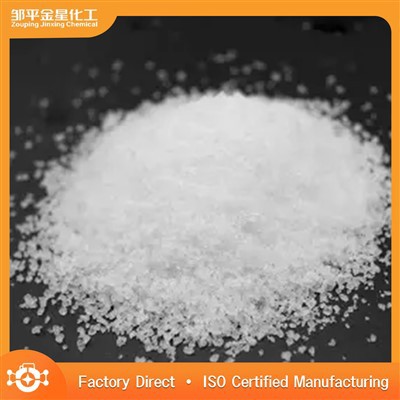
Polyacrylamide (PAM) is a high-performance, water-soluble polymer engineered for solid-liquid separation, flocculation, sludge dewatering, clarification, mineral processing, papermaking, and specialized oilfield applications.
For industrial buyers, selection is not merely a matter of choosing a high-molecular-weight polymer. The material must align with particle charge density, water chemistry, system pH, mixing intensity, and dewatering equipment. Anionic, cationic, and nonionic PAM behave fundamentally differently under identical process conditions.
As a certified B2B manufacturer, we supply polyacrylamide across precise ionic types, molecular weights, and charge densities. We provide custom grade matching based on your raw water chemistry, sludge characteristics, laboratory jar testing, and operating parameters.
Manufacturing & Supply Overview
Annual Manufacturing Capacity: 50,000+ Metric Tons
Quality & Environmental Certifications: ISO 9001 | ISO 14001 | ISO 45001
Regulatory Compliance: REACH Registered | Residual Monomer Controlled (< 0.05% available)
Testing Standards: Standardized Brookfield Viscometry, HPLC Monomer Analysis, and ASTM/GB Methods
Sample Policy: Free 200g-500g Laboratory Samples & Technical Jar-Testing Support Available


Polyacrylamide Product Range & Technical Matrix
Anionic Polyacrylamide (APAM)
Anionic polyacrylamide incorporates negatively charged carboxylate groups along its backbone, making it ideal for inorganic suspended solids that rely on charge neutralization and polymer bridging.
Primary Application Areas:
- Industrial wastewater clarification (steel, electroplating, chemical process water)
- Mining, ore separation, and mineral processing
- Coal washing and slurry settling
- Sand, gravel, and aggregate wash-water recycling
- Tailings thickening and red mud settling
- Pulp and paper effluent treatment


Cationic Polyacrylamide (CPAM)
Cationic polyacrylamide features positively charged quaternary ammonium groups, engineered specifically to treat organic-rich sludge and negatively charged biological suspensions.
Primary Application Areas:
- Municipal sewage sludge dewatering
- Industrial biological sludge conditioning
- Food processing, dairy, and slaughterhouse wastewater
- Dewatering via Belt Filter Presses, Decanter Centrifuges, Chamber Presses, and Screw Presses
- Dissolved Air Flotation (DAF) clarification
- Retention and drainage aids in papermaking
Nonionic Polyacrylamide (NPAM)
Nonionic polyacrylamide carries minimal surface charge and relies primarily on hydrogen bonding and polymer adsorption to form flocs in specialized environments.
Primary Selection Factors:
- Acidic wastewater treatment where ionic groups lose activity
- Complex mineral leaching solutions containing high concentrations of multivalent salts
- Variable pH industrial streams
- Specific soil stabilization and erosion control applications
- NPAM should be specified when anionic or cationic polymers fail to perform due to ionic interference or extreme pH levels.

How to Choose the Right Polyacrylamide Grade
|
Wastewater / Sludge Type |
Recommended PAM Type |
Key Parameters to Evaluate |
Typical Dewatering / Separation Equipment |
|
Organic / Biological Sludge |
CPAM |
Charge density (10%-60%), Molecular weight |
Decanter Centrifuge, Belt Press, Screw Press |
|
Municipal Sewage Sludge |
CPAM |
Charge density (20%-50%), Shear tolerance |
Centrifuge, Belt Filter Press |
|
Mineral Tailings & Slurry |
APAM / NPAM |
Molecular weight (12-18M), Hydrolysis degree |
High-Rate Thickener, Settling Tank |
|
Coal Washing Effluent |
APAM |
Molecular weight (10-15M), Settling speed |
Settling Cone, Filter Press |
|
Sand Wash Recycling |
APAM |
Fast dissolution, Medium-high molecular weight |
Lamella Clarifier, Filter Press |
|
Acidic Industrial Waste |
NPAM / APAM |
Acid stability, Dissolution rate |
Settling Tank, Neutralization Unit |
|
Paper Machine Retention |
CPAM / APAM |
Charge density, Fiber retention behavior |
Fourdrinier / Wire Section |
Technical Specifications & QA Control Parameters
|
Parameter |
Specification Significance |
Test Method / Reference |
|
Ionic Type |
Identifies Anionic, Cationic, or Nonionic polymer class |
Standard Titration / Colloid Titration |
|
Molecular Weight |
Determines chain length and bridging capacity (Million Daltons) |
Intrinsic Viscosity Measurement |
|
Charge Density / Hydrolysis |
Percentage of active ionic sites along the polymer chain |
Chemical Titration / HPLC |
|
Solid Content |
Active polymer content after excluding moisture (Typically >= 88%-90%) |
Thermal Drying Oven Method |
|
Residual Monomer |
Unreacted Acrylamide monomer level (Standard < 0.05% / 500 ppm) |
High-Performance Liquid Chromatography (HPLC) |
|
Dissolution Time |
Required hydration time to reach full activity (Typically <= 60 mins) |
Standard Agitation Test |
|
Water-Insoluble Matter |
Maximum allowable insoluble particles (Typically <= 0.2%) |
Gravimetric Filtration |
|
Bulk Density |
Granule packaging volume and feeder system compatibility |
Standard Volume Measurement |
|
Solution Viscosity |
Measured at specified concentration (0.1% aqueous solution) |
Brookfield Viscometer |
Manufacturing Process & Quality Control Sequence
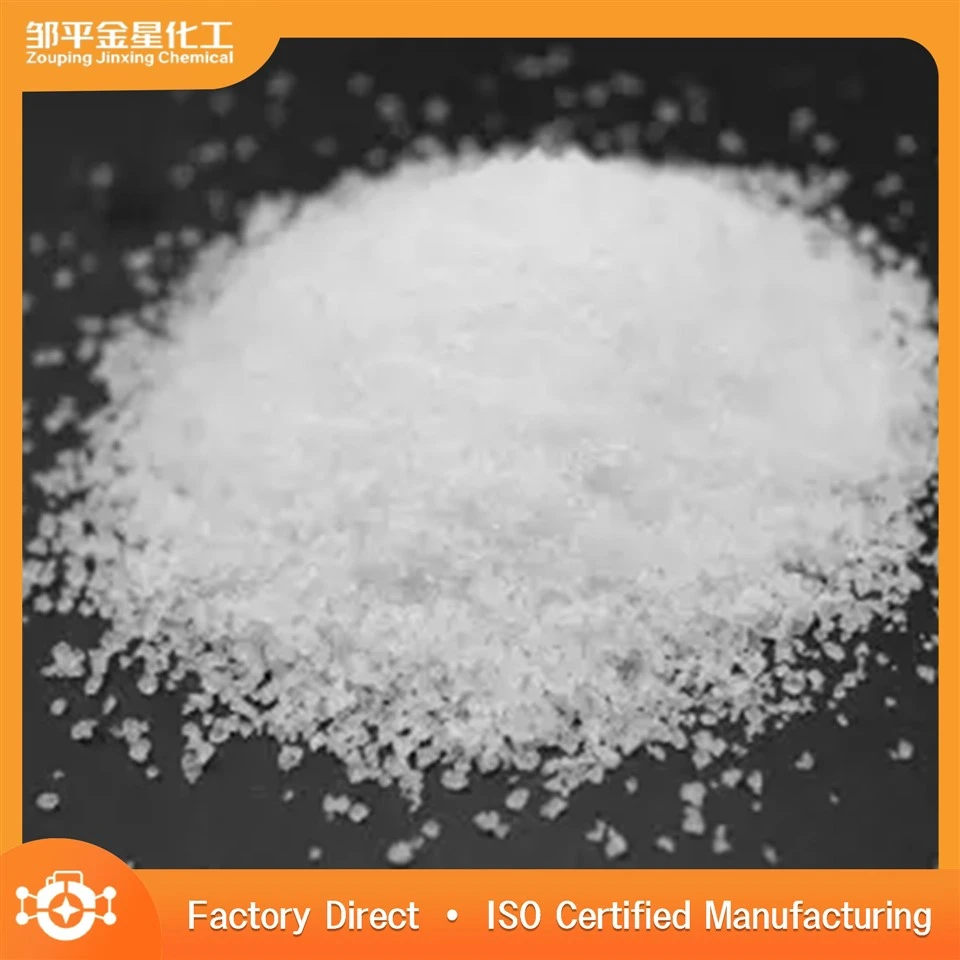
To guarantee performance continuity across repeat bulk shipments, our factory operates under strict process controls:
Raw Material Inspection (Acrylamide Monomer, Catalysts)
▼
Controlled Polymerization Reaction (Temperature & Initiator Management)
▼
Gel Cutting & Granulation
▼
Fluidized Bed Drying (Moisture Optimization)
▼
Grinding & Precise Screening (Particle Size Uniformity)
▼
HPLC & Viscometric Quality Analysis
▼
Automated Packaging & Moisture-Proof Sealing
▼
Batch Retain Sample & COA Generation
Quality Assurance Commitments
HPLC Residual Monomer Control: Every batch is tested to confirm residual acrylamide meets contract specifications.
Viscosity Verification: Standard 0.1% solution viscosity is tested prior to batch release.
Traceability: Every bag carries a batch code linked directly to production records and batch-specific Certificates of Analysis (COA).
Packaging, Storage & Bulk Logistics
Packaging Options:
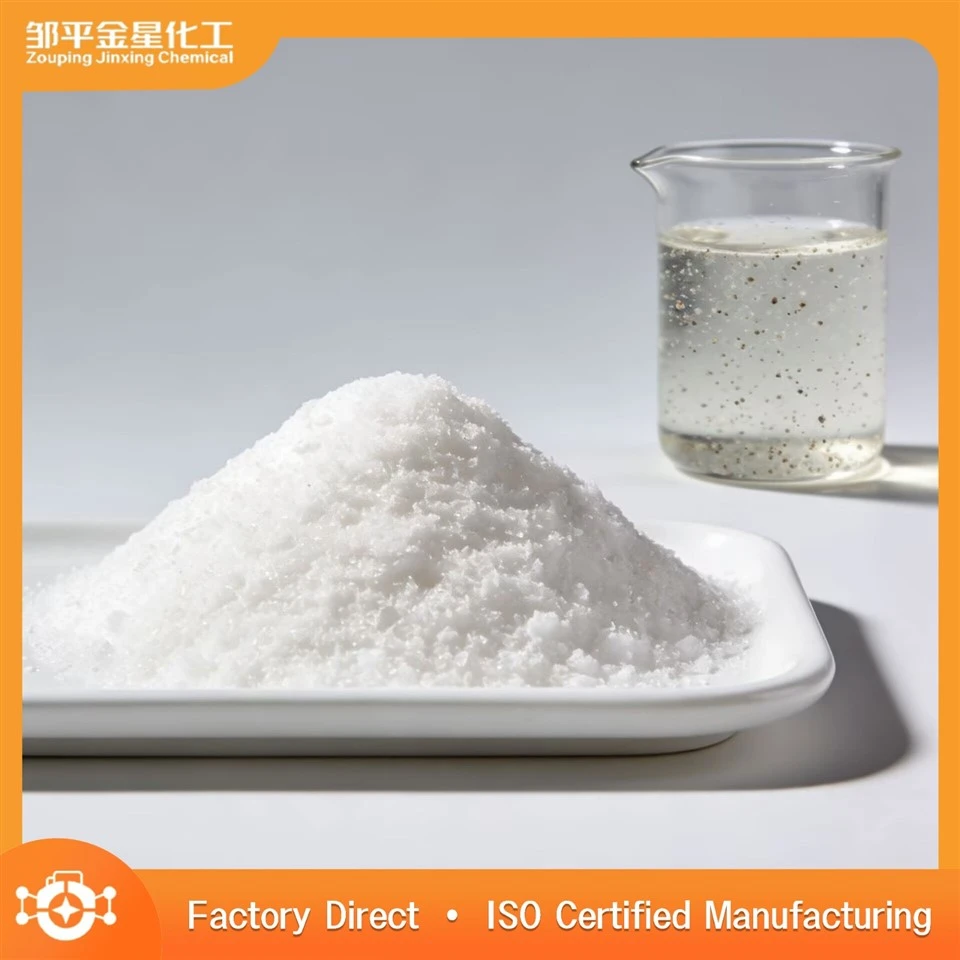
25 kg Bags: Multi-wall paper-plastic composite bags with inner PE liner.
Bulk Bags (FIBC): 750 kg or 1000 kg jumbo bulk bags with moisture barrier.
Customization: Private labeling, palletization, and custom bag markings available upon request.
Storage & Safe Handling:
Store in a cool, dry, well-ventilated warehouse away from direct sunlight and heat sources.
Keep packaging tightly sealed to prevent atmospheric moisture absorption.
Dry PAM powder becomes extremely slippery when wet. Clean spills using dry absorbent material before washing with water.
Technical Documentation Provided
Every commercial shipment is supplied with complete quality and compliance documentation:
Certificate of Analysis (COA): Batch-specific analytical test results.
Technical Data Sheet (TDS): Complete physical and chemical specification limits.
Safety Data Sheet (SDS): Updated GHS-compliant handling and safety instructions.
Certificate of Origin (CO): Form E, Form A, or standard CO based on regional import requirements.
FAQ