



Tetramethylethylenediamine
Zouping Jinxing Chemical Co., Ltd. is one of the leading manufacturers and suppliers of Tetramethylethylenediamine in China. If you're going to wholesale bulk Tetramethylethylenediamine made in China, welcome to get free sample from our factory. All customized products are with high quality and low price.
Physicochemical properties
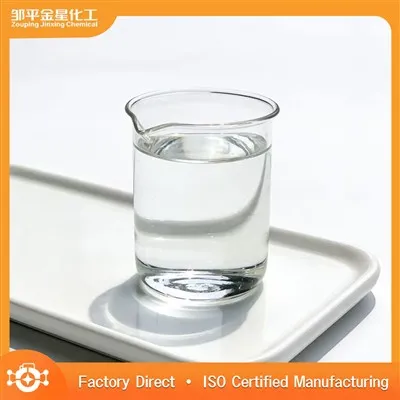
Physical state: At room temperature and atmospheric pressure, tetramethylethylenediamine is a colorless to pale yellow, transparent liquid with a strong ammoniacal or fishy odor.
Basic parameters: Melting point -55℃, boiling point 120–122℃, relative density 0.775 g/cm³ (20℃).
Solubility: Miscible with water, and also miscible with most organic solvents such as ethanol and ether.
Chemical properties: Tetramethylethylenediamine is strongly basic and possesses exceptional coordinating ability; it readily absorbs moisture and carbon dioxide from the air.
Core Uses
Biochemical Reagents (Gel Polymerization Catalysts)
This is TEMED's most well-known application in the laboratory. It forms a classic redox initiation system with ammonium persulfate (APS), generating free radicals at room temperature to catalyze the polymerization of acrylamide monomers into polyacrylamide gels. This gel is the core medium for SDS-PAGE electrophoresis to separate proteins and nucleic acids.
Organometallic Chemistry (Ligands)
As a bidentate ligand, TEMED can form stable complexes (such as BuLi·TMEDA) with organolithium reagents such as n-butyllithium (n-BuLi). This complexation significantly improves the reactivity and selectivity of organolithium reagents and is widely used in reactions such as directed alkylation.
Polymer Materials and Fine Chemicals
Resin Curing Accelerators: As tertiary amine curing accelerators for epoxy resins, it can lower curing temperatures, shorten process cycles, and increase crosslinking density.
Polyurethane Catalysts: Used to catalyze the synthesis of polyurethane foams.
Pharmaceutical Intermediates: Participated in the synthesis of some antiviral and antitumor drugs.
Safety and Protection
Highly flammable: Flash point is only 10℃. Its vapor can form an explosive mixture with air, and it is extremely flammable and explosive upon contact with open flames or high heat.
Highly corrosive: It has a strong irritant and corrosive effect on skin, eyes, and respiratory tract. Liquid contact can cause severe chemical burns.
Storage requirements: It must be stored in a sealed container in a cool, well-ventilated place. The storage temperature should not exceed 30℃. Keep it away from sources of ignition and heat, and store it separately from oxidizers and acids.
Handling precautions: It must be handled in a fume hood, wearing chemical-resistant gloves (such as nitrile or butyl rubber), chemical safety goggles, and a respirator.
FAQ
Q: Toxicity and Occupational Health
A:Rat oral LD₅₀ ≈ 1720 mg/kg (moderately toxic); rabbit dermal LD₅₀ 3160 mg/kg;
Primary hazards: Skin/eye corrosion (Category 1B/1) + Inhalation toxicity (H331):
Liquid causes severe skin burns and permanent corneal damage;
Vapors irritate the respiratory tract; high concentrations cause laryngospasm and pulmonary edema (delayed onset);
Absorbable through the skin; repeated contact causes allergic dermatitis;
GHS Label: Danger; H225 (Highly flammable) + H302 (Harmful if swallowed) + H312 (Harmful in contact with skin) + H314 (Causes severe skin burns and eye damage, Cat. 1B) + H331 (Toxic if inhaled) + H332 (Harmful if inhaled) + H370 (Causes damage to organs from single exposure);
No independent IARC carcinogenicity classification; WGK 1 (Low hazard to water).
No specific Chinese PC-TWA occupational exposure limit exists; based on an analogy with "amines," strict workplace control at a level of ≤5 mg/m³ is recommended.
Q: Key Points for Handling and Storage
A: Integrated Fume Hood/Explosion-Proof/Nitrogen-Blanketing System: Material transfer takes place in a drying room or glovebox; the system is purged with N₂ to prevent degradation caused by CO₂ absorption.
PPE: Butyl rubber gloves (preferred; nitrile has limited suitability), chemical-resistant suit, goggles plus face shield, and cartridges for organic vapors and ammonia (SCBA required for high concentrations); bare-handed handling is strictly prohibited.
Storage: Keep sealed, cool (refrigeration at 2–8°C is optimal), dry, and protected from light; strictly isolate from strong acids, strong oxidizers, acid chlorides, peroxides, and foodstuffs.
Leakage: Absorb with sand, soil, or vermiculite; transfer large quantities using an explosion-proof pump; dispose of as nitrogen-containing organic hazardous waste via a qualified facility; do not flush with large amounts of water (this may spread amine mist).
Firefighting: Use alcohol-resistant foam, dry chemical, CO₂, or water spray; NOx is produced during combustion, so firefighters must use SCBA.
Hot Tags: Tetramethylethylenediamine, China Tetramethylethylenediamine manufacturers, suppliers, factories, bio ethyl acetate, High Purity Cyclohexane, High Purity Low Free Acid Phenol, Industrial grade High purity Dimethyl Methane, liquid dimethyl sulfoxide dmso and idoxuridine, methyl acetate bottle
Previous
Phosphorus PentasulfideNext
CyclopropaneYou Might Also Like




Send Inquiry