



Dimethyl Sulfide
Zouping Jinxing Chemical Co., Ltd. is one of the leading manufacturers and suppliers of dimethyl sulfide in China. If you're going to wholesale bulk dimethyl sulfide made in China, welcome to get free sample from our factory. All customized products are with high quality and low price.
Basic properties
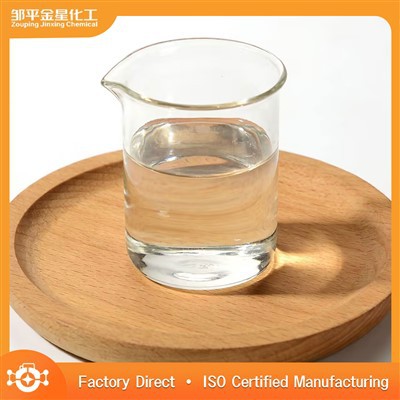
Appearance: Dimethyl sulfide is a colorless, transparent liquid.; at room temperature, it has a strong odor resembling rotten cabbage, fishy seafood, or corn silk (detectable at extremely low concentrations; odor threshold approx. 1–10 ppb).
Boiling point: Approx. 37.3°C (highly volatile).
Density: 0.846 g/cm³ (at 20°C; lighter than water).
Solubility: Slightly soluble in water (approx. 2 g/100 mL); readily soluble in ethanol, diethyl ether, and hydrocarbon solvents.
Flash point: Approx. -36°C (highly flammable; classified as a Class I flammable liquid).
Stability: Stable in the presence of alkalis; can be oxidized to sulfoxides or sulfones by strong oxidizing agents.
Primary source
Natural sources: Produced by the decomposition of sulfur-containing amino acids (such as methionine) by marine phytoplankton (especially diatoms); it is a key component of the "ocean scent" in sea breezes and a flavor compound found in cabbage, onions, seaweed, and beer (particularly lagers).
Industrial sources: Produced via the reaction of methanol with hydrogen sulfide over catalysts (such as γ-Al₂O₃ or zeolites) or the reaction of dimethyl sulfate with sodium sulfide; it is also released during the pulping process of black liquor in papermaking.
Industrial use
Organic solvent: Dimethyl sulfide can be used for extraction and as an intermediate in organic synthesis.
Sulfurizing/methylating agent: Acts as a mild methyl source in the synthesis of pesticides and pharmaceuticals.
Fragrance/flavoring (trace amounts): Used at extremely low concentrations to simulate seafood or vegetable aromas (though excessive amounts produce an unpleasant odor).
Component of natural gas odorants: Sometimes combined with compounds like tert-butyl mercaptan to serve as a leak warning agent for gas pipelines (though tetrahydrothiophene is more commonly used for this purpose).
Safety and Toxicology
Toxicity: Low to moderate acute toxicity; oral LD₅₀ in rats ≈ 5350 mg/kg. High vapor concentrations have an anesthetic effect and irritate the eyes and respiratory tract.
Flammability/Explosion: Vapors form explosive mixtures with air; explosive limits are approximately 2.2%–19.7% (v/v).
Olfactory Fatigue: Prolonged exposure causes olfactory desensitization; the absence of odor cannot be used to determine safety.
Protection: Use explosion-proof ventilation and anti-static measures; wear a respirator for organic vapors (with activated carbon filter cartridges); avoid direct skin contact with the liquid (may cause mild irritation).
FAQ
Q: Toxicity and Occupational Health
A: Low acute toxicity: Oral LD₅₀ in rats is approximately 3300–535 mg/kg (data varies by source), placing it in the low-toxicity category;
Primary hazards are irritation and CNS depression: High-concentration inhalation causes irritation to the eyes, nose, and throat, as well as headache, nausea, and drowsiness; high concentrations in confined spaces can lead to hypoxia, coma, or even death;
Olfactory fatigue trap: Sense of smell fails rapidly at high concentrations; the inability to detect the odor does not imply safety-instrumental monitoring is essential;
Not classified as a carcinogen by IARC or NTP; no clear evidence of teratogenicity or mutagenicity;
Occupational exposure limits:
ACGIH TLV-TWA: 10 ppm (25 mg/m³)
ERPG-1 (odor detectable): 0.5 ppm; ERPG-2 (CNS impairment): 1000 ppm; ERPG-3 (lethal risk): 5000 ppm
GHS labeling: H225 (Highly flammable), H319 (Eye irritation), H320 (Eye irritation), H402 (Harmful to aquatic life)
Q: Key Points for Handling and Storage
A: Operate in a fully enclosed system with explosion-proof ventilation; nitrogen blanketing is strongly recommended (to prevent oxidation by air into DMSO). PPE: Half-face respirator (for organic vapors), chemical safety goggles, anti-static workwear, and oil-resistant nitrile or neoprene gloves; handling with bare hands is strictly prohibited. Ensure proper grounding and anti-static measures during filling and transfer; control flow rates; do not use non-explosion-proof tools. Storage: Store in a cool, well-ventilated, explosion-proof facility (refrigeration at 2–8°C is preferred); keep away from heat sources, ignition sources, and strong oxidizing agents. Avoid direct contact with water, steam, or acids (reaction produces toxic, flammable gases).
Hot Tags: dimethyl sulfide, China dimethyl sulfide manufacturers, suppliers, factories, aniline glacial acetic acid, benzoic acid solubility in dichloromethane, High Purity Low Sulfur Low Impurity Benzene, Industrial Grade High Purity N heptane, liquid dimethyl sulfoxide dmso and idoxuridine, methyl tert butyl ether compatibility
Previous
Methyl CyanoacetateNext
Methyl AcrylateYou Might Also Like


Send Inquiry