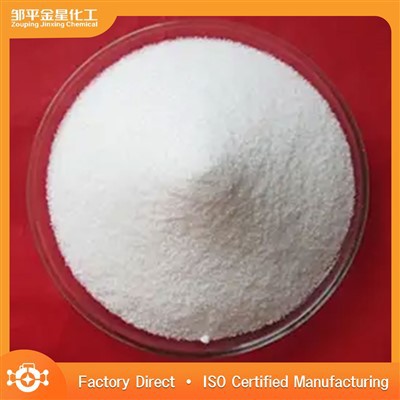
Hey there! As a supplier of potassium dihydrogen phosphate, I'm super stoked to chat about its role in the paint industry. You might be wondering, "What on earth does this chemical have to do with paint?" Well, let me break it down for you.
1. Corrosion Inhibition
One of the key roles of potassium dihydrogen phosphate in the paint industry is corrosion inhibition. When you apply paint to a metal surface, you're not just looking for a nice color; you're also trying to protect the metal from rust and corrosion. Potassium dihydrogen phosphate can form a protective layer on the metal surface.
This layer acts as a barrier between the metal and the surrounding environment. It prevents oxygen and moisture from reaching the metal, which are the main culprits behind corrosion. For example, in industrial settings where metal structures are exposed to harsh conditions, paints containing potassium dihydrogen phosphate can significantly extend the lifespan of the metal.
If you're interested in the use of potassium dihydrogen phosphate in fertilizers, you can check out Potassium Dihydrogen Phosphate Fertilizer.
2. pH Regulation
Another important function of potassium dihydrogen phosphate in paint is pH regulation. The pH of paint can have a big impact on its performance. If the pH is too high or too low, it can affect the stability of the paint, the adhesion to the surface, and the drying time.
Potassium dihydrogen phosphate is an acid salt. It can help maintain the pH of the paint within an optimal range. This is crucial because different pigments and binders in the paint work best at specific pH levels. By regulating the pH, potassium dihydrogen phosphate ensures that the paint has the right consistency, dries properly, and adheres well to the surface.
3. Pigment Dispersion
Pigments are what give paint its color. However, getting the pigments to disperse evenly in the paint can be a challenge. Potassium dihydrogen phosphate can act as a dispersing agent. It helps to break down the pigment particles and prevent them from clumping together.
When the pigments are evenly dispersed, the paint has a more uniform color and better coverage. This means that you can achieve a smoother and more professional-looking finish. Whether you're painting a small room or a large industrial structure, having well-dispersed pigments is essential for a high-quality paint job.
4. Improving Paint Stability
Paint stability is crucial for its long-term performance. Potassium dihydrogen phosphate can enhance the stability of the paint by preventing the separation of different components. Over time, paint can start to separate into layers, with the heavier pigments sinking to the bottom and the liquid rising to the top.
By adding potassium dihydrogen phosphate, the paint remains homogeneous and doesn't separate easily. This ensures that the paint has a consistent quality from the first brushstroke to the last. It also makes it easier to store and transport the paint without worrying about it going bad.
5. Flame Retardancy
In some cases, paint needs to have flame-retardant properties, especially in commercial and industrial applications. Potassium dihydrogen phosphate can contribute to the flame retardancy of paint. When exposed to fire, it can release phosphoric acid, which forms a char layer on the surface.
This char layer acts as a barrier, preventing the spread of the fire and reducing the amount of heat released. It can also help to prevent the paint from dripping and spreading the fire further. So, if you're looking for a paint that can provide some level of fire protection, potassium dihydrogen phosphate can be a valuable addition.


6. Compatibility with Other Ingredients
Potassium dihydrogen phosphate is highly compatible with other ingredients commonly used in paint formulations. It can work well with different types of binders, solvents, and additives. This makes it a versatile ingredient that can be easily incorporated into a wide range of paint products.
Whether you're using water-based paints, oil-based paints, or specialty paints, potassium dihydrogen phosphate can fit in and enhance the performance of the paint. It doesn't cause any adverse reactions with other components, which is important for maintaining the quality and stability of the paint.
If you're dealing with alkaline substances in the paint industry, you might want to learn about Strongly Alkaline Potassium Hydroxide.
7. Food-grade Application in Paint?
You might be surprised to know that there's also a Food-grade Potassium Dihydrogen Phosphate. While it's mainly used in the food industry, in some cases, it can also be used in paints for applications where food contact is possible.
For example, in the food processing industry, equipment and surfaces need to be painted with a safe and non-toxic paint. Food-grade potassium dihydrogen phosphate can be used in these paints to ensure that they meet the strict safety standards.
Why Choose Our Potassium Dihydrogen Phosphate?
As a supplier, we take pride in providing high-quality potassium dihydrogen phosphate. Our product is carefully manufactured to meet the specific requirements of the paint industry. We ensure that it has the right purity and properties to perform effectively in paint formulations.
We also offer excellent customer service. Whether you have questions about the product, need technical support, or want to discuss your specific paint needs, our team is here to help. We understand that every paint project is unique, and we're committed to finding the best solution for you.
If you're in the paint industry and looking for a reliable source of potassium dihydrogen phosphate, don't hesitate to get in touch. We're ready to have a chat and see how we can help you improve your paint products. Whether you're a small paint manufacturer or a large industrial company, we have the right product and service for you.
References
- "The Chemistry of Paints and Coatings" by John Wiley & Sons
- "Paint Technology Handbook" by McGraw-Hill