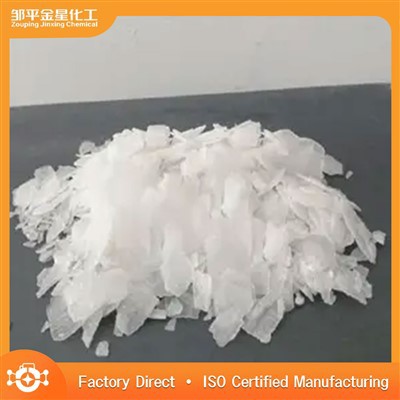
The storage life of manganese sulfate monohydrate, also known as MnSO₄·H₂O, is a crucial aspect for both suppliers like us and end - users. Understanding the factors that influence its shelf - life can help in maintaining product quality and ensuring its effectiveness in various applications.
Chemical Properties and Stability
Manganese sulfate monohydrate is a stable compound under normal conditions. It is a pinkish - white crystalline solid. Chemically, it is relatively inert in the absence of extreme environmental factors. The monohydrate form means that it contains one water molecule per formula unit of manganese sulfate. This water molecule is bound in a specific way within the crystal lattice, which gives the compound certain physical and chemical characteristics.
The stability of manganese sulfate monohydrate is mainly determined by its chemical bonds. The manganese - sulfur - oxygen bonds are relatively strong, and the water molecule is held in place through hydrogen - bonding and other intermolecular forces. As long as these bonds remain intact, the compound will retain its chemical identity.
Factors Affecting Storage Life
Temperature
Temperature is one of the most significant factors affecting the storage life of manganese sulfate monohydrate. High temperatures can accelerate chemical reactions and cause the loss of the water of crystallization. When the compound is exposed to temperatures above its decomposition point, which is around 400 - 500°C, the water molecule can be driven off, leading to the formation of anhydrous manganese sulfate (MnSO₄). This change can affect the solubility and reactivity of the compound, making it less suitable for some applications.


On the other hand, extremely low temperatures can cause the compound to become brittle and may lead to cracking of the crystals. In general, storing manganese sulfate monohydrate at a moderate temperature, preferably between 10 - 30°C, is recommended to maintain its quality over an extended period.
Humidity
Humidity also plays a crucial role in the storage of manganese sulfate monohydrate. High humidity can cause the compound to absorb moisture from the air, leading to caking and clumping. This can make it difficult to handle and may even affect its chemical properties. For example, if the compound absorbs too much moisture, it may start to dissolve slightly, leading to the formation of a solution on the surface of the crystals. This can then react with other substances in the air, such as carbon dioxide, to form manganese carbonate or other impurities.
In contrast, very low humidity can cause the water of crystallization to gradually evaporate, similar to the effect of high - temperature storage. Therefore, it is important to store manganese sulfate monohydrate in an environment with a relative humidity between 30 - 60%.
Light
Although manganese sulfate monohydrate is not highly photosensitive, prolonged exposure to direct sunlight or strong artificial light can have some effects. Light can cause a slow oxidation process in some cases, especially if there are impurities present in the compound. Oxidation can lead to the formation of manganese oxides, which can change the color and chemical reactivity of the product. To prevent this, it is advisable to store the compound in a dark or dimly lit area.
Contamination
Contamination from other chemicals, dust, or microorganisms can significantly reduce the storage life of manganese sulfate monohydrate. If the compound comes into contact with strong acids, bases, or oxidizing agents, it can react and form new compounds. For example, if it is exposed to a strong acid, it may react to form sulfuric acid and manganese salts of the acid. Microorganisms can also break down the compound over time, especially if the storage conditions are favorable for their growth, such as high humidity and moderate temperature.
Storage Recommendations
Based on the above factors, here are some storage recommendations for manganese sulfate monohydrate:
- Container: Store the compound in a tightly sealed container made of a material that is resistant to corrosion, such as plastic or glass. This can prevent moisture, air, and contaminants from entering.
- Location: Choose a storage location that is cool, dry, and dark. A warehouse with temperature and humidity control is ideal. Avoid storing the compound near sources of heat, moisture, or strong chemicals.
- Handling: When handling manganese sulfate monohydrate, use clean tools and equipment to prevent contamination. Make sure that the containers are properly labeled with the product name, batch number, and storage instructions.
Storage Life in Different Applications
The storage life of manganese sulfate monohydrate can vary depending on its application.
Industrial Use
In industrial applications, Industrial Grade Manganese Sulfate Monohydrate is often used in the production of batteries, ceramics, and pigments. For these applications, the compound needs to maintain a high level of purity and chemical stability. If stored under ideal conditions, industrial - grade manganese sulfate monohydrate can have a storage life of up to 2 - 3 years. However, if the storage conditions are not optimal, the quality may start to deteriorate within a few months, leading to reduced performance in the industrial processes.
Agricultural Use
Agricultural Manganese Sulfate Monohydrate is used as a fertilizer to provide manganese to plants. Manganese is an essential micronutrient for plant growth, and the effectiveness of the fertilizer depends on the quality of the manganese sulfate monohydrate. When stored properly, agricultural - grade manganese sulfate monohydrate can remain effective for 1 - 2 years. However, if it is exposed to moisture or high temperatures, the compound may lose its solubility and become less available to plants.
Fertilizer Use in General
Manganese Sulfate Fertilizer needs to maintain its chemical integrity to ensure that it can provide the necessary nutrients to the soil and plants. The storage life of manganese sulfate - based fertilizers is closely related to the quality of the raw material (manganese sulfate monohydrate) and the storage conditions. In general, if stored in a cool, dry place, these fertilizers can have a shelf - life of about 1 - 2 years.
Quality Control and Monitoring
To ensure the long - term storage of manganese sulfate monohydrate, it is important to implement a quality control and monitoring system. This can include regular inspections of the storage facilities, checking the containers for signs of damage or leakage, and conducting periodic chemical analyses of the product. By monitoring the quality of the compound over time, we can detect any changes early and take appropriate measures to prevent further deterioration.
Conclusion
In conclusion, the storage life of manganese sulfate monohydrate is influenced by multiple factors, including temperature, humidity, light, and contamination. By following the recommended storage conditions and implementing a quality control system, we can extend the shelf - life of the product and ensure its quality in various applications.
If you are interested in purchasing high - quality manganese sulfate monohydrate, whether for industrial or agricultural use, please feel free to contact us for further discussion and negotiation. We are committed to providing the best products and services to meet your needs.
References
- Smith, J. (2015). Chemical Properties of Inorganic Salts. Publisher: Chemical Press.
- Johnson, A. et al. (2018). Storage and Handling of Fertilizers. Journal of Agricultural Science, 25(3), 123 - 135.
- Brown, C. (2020). Industrial Applications of Manganese Compounds. Industrial Chemistry Review, 10(2), 45 - 56.