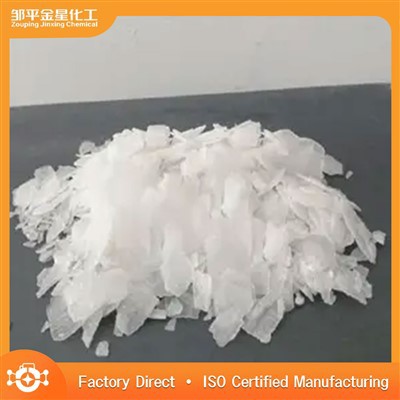
If you’ve ever owned a soft, wrinkle-resistant polyester shirt, a stretchy spandex legging, or a durable nylon carpet, you’ve likely encountered sodium sulfate—even if you didn’t know it. As a supplier of industrial chemicals, I’ve spent years walking customers through the often-overlooked role our sodium sulfate plays in synthetic fiber production, and I’m here to break down exactly how this versatile compound becomes a critical part of the fabric we use every day. Synthetic fibers are engineered to have specific properties: strength, elasticity, dyeability, and resistance to shrinking or stretching. Sodium sulfate is not a main raw material for fibers like petroleum-derived polymers, but it acts as a workhorse in nearly every stage of production, from polymer manufacturing to finishing. Its unique chemical properties make it ideal for solving small, high-stakes problems that turn raw polymers into usable, high-performance textiles.
Let’s start at the beginning: how synthetic fibers are made, and where sodium sulfate first enters the picture. Most synthetic fibers start as molten polymers or solutions of polymers derived from crude oil or natural gas. For fiber producers, ensuring these polymer solutions are consistent in concentration, viscosity, and purity is non-negotiable—small variations lead to uneven fibers that break easily or have inconsistent texture. Here’s where our industrial grade sodium sulfate (linked here for full product specs: Industrial Grade Sodium Sulfate) comes in. In the wet-spinning process, one of the most common methods for producing fibers like rayon, acrylic, and some types of polyester, polymers are dissolved in a chemical solvent to form a liquid “dope.” This dope is then forced through tiny holes in a spinneret (a device like a showerhead with micro-sized pores) to form fine filaments that solidify as they come into contact with a chemical bath. Sodium sulfate is often added to this solvent bath to control the solidification rate of the filaments. When sodium sulfate dissolves in the bath, it alters the solvent’s polarity, slowing down how quickly the solvent evaporates or is absorbed by the polymer. This slow, even solidification means the filaments have a uniform diameter—no thin spots that would cause breakage during stretching or weaving. For producers, this reduces waste during the spinning stage, a major cost saver in high-volume fiber manufacturing.
Not all sodium sulfate is suited for this bath, though. Purification grade sodium sulfate (find out more: Purification Grade Sodium Sulfate) is key here, because even tiny impurities like heavy metals or excess chloride can ruin polymer quality. Impurities would create weak points in the filaments, cause uneven dye uptake, or even damage the spinning equipment over time. Our purification grade product is processed to meet strict purity standards—99% minimum sodium sulfate content, with less than 0.01% of impurities like iron, which would discolor fibers. That’s why fiber manufacturers trust this grade specifically for spinning baths: it ensures consistent performance without compromising the final fiber’s quality.
Once the filaments are spun, they’re stretched to align the polymer molecules, which makes the fiber stronger and more durable. Next comes a critical step many people don’t talk about: dyeing. Synthetic fibers are notoriously tricky to dye—their tight polymer structures resist dye molecules, leading to faded or patchy color if not done right. This is where sodium sulfate shines as a dyeing assistant. For natural fibers like cotton, salt is often used in dye baths to help dye molecules adhere, but sodium sulfate is superior for synthetic fibers because it’s gentler on the polymer structure. Let’s break that down: when you dye synthetic fibers (like polyester or nylon), the dye molecules need to move into the tightly packed polymer chains. Sodium sulfate acts as a “leveling agent,” meaning it slows down the rate at which dye is absorbed by different parts of the fiber. This prevents “unlevel dyeing,” where some sections of the fiber absorb more dye than others, creating streaks or uneven color. For example, in dyeing acrylic fibers, which are common in sweaters and upholstery, sodium sulfate is added to the dye bath to balance the charge between the positively charged dye molecules and the negatively charged fiber surface. Without this balance, dye would cling too quickly to the outer layer of the filament, leaving the core undyed.
Another underappreciated use of sodium sulfate is in the production of water-soluble crystalline sodium sulfate (check our product page: Water-soluble Crystalline Sodium Sulfate) which is used in the post-production finishing of synthetic fibers. Some synthetic fibers, like certain types of polyester, are treated with sizing agents—coatings that protect the filaments during weaving. Once the fabric is woven, these sizing agents need to be removed to make the fabric soft and breathable. Water-soluble crystalline sodium sulfate is used in the scouring (washing) stage after weaving. It works by breaking down the sizing agents’ chemical bonds, making them easy to rinse away with water. This is a far more eco-friendly option than harsh chemical solvents, because sodium sulfate is non-toxic and can be recovered and reused from the wash water, reducing production waste for fiber mills.
Wait, but what about sodium lauryl sulfate liquid? I know that’s another common sodium chemical, and sometimes people confuse it with sodium sulfate. Let’s clear that up: Sodium Lauryl Sulfate Liquid (see our page here: Sodium Lauryl Sulfate Liquid) is a surfactant, used in things like soap and shampoos, and it has a completely different role in fiber production. Sodium sulfate is a neutral salt or mild salt, while SLS is a powerful foaming agent rarely used in large-scale fiber manufacturing—except in some very specific, low-volume specialty fibers. So if you’re looking for the core workhorse in synthetic fiber production, it’s definitely our sodium sulfate grades, not SLS.
Now, let’s talk about safety—because any chemical used in industrial production needs to meet strict safety standards. That’s why we provide the anhydrous sodium sulfate SDS, or Safety Data Sheet (access it here: Anhydrous Sodium Sulfate Sds) for every grade we sell. For fiber workers, handling sodium sulfate is low-risk compared to many industrial chemicals: it’s non-flammable, non-corrosive, and has low acute toxicity. But proper handling is still important, especially for workers exposed to dust during mixing or spinning. The SDS outlines everything from personal protective equipment (safety glasses, gloves) to first aid in case of skin contact, so mills can keep their teams safe while using the product.

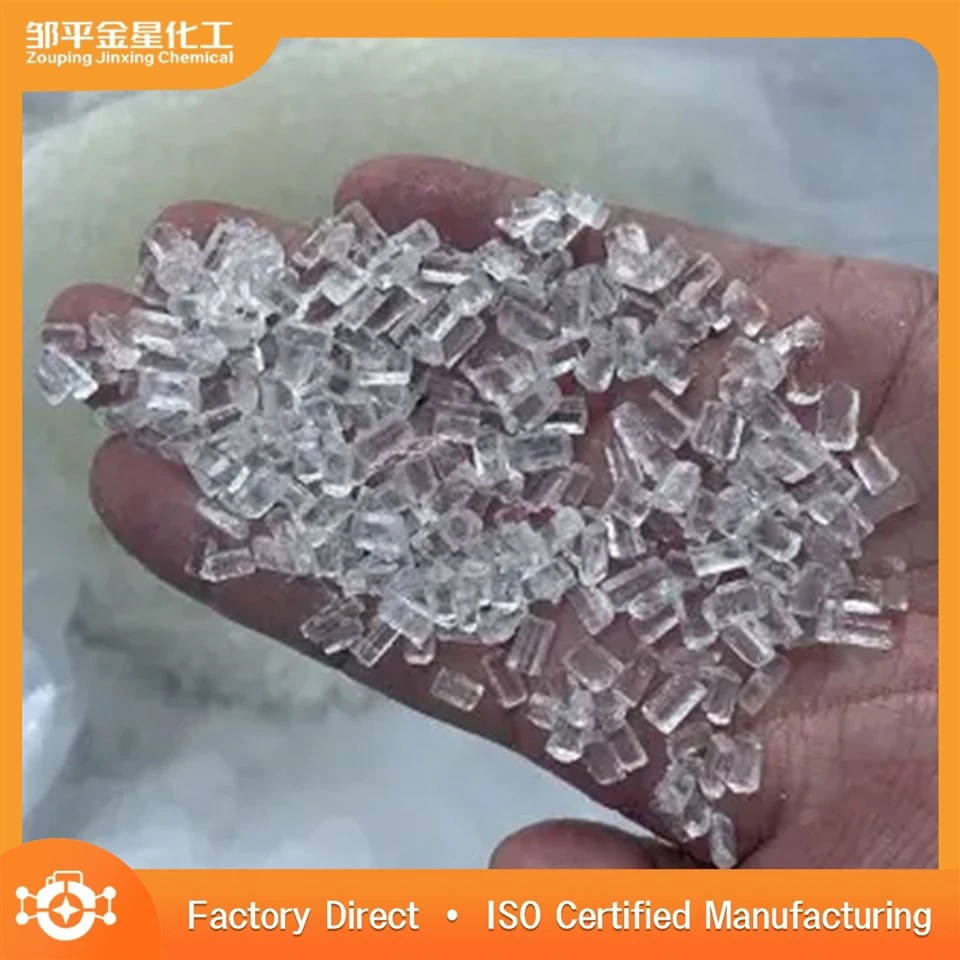
I’ve talked to dozens of fiber production managers over the years, and one thing they always emphasize is consistency. When you’re spinning 24/7, with thousands of kilograms of fiber being produced daily, even a small variation in an input chemical can cause thousands of dollars in waste. That’s why we work closely with our fiber customers to provide tailored sodium sulfate grades—whether they need industrial grade for spinning baths, purification grade for high-precision dyeing, or water-soluble crystalline for scouring. We test every batch of our products to ensure they meet the exact standards fiber mills require, because when our sodium sulfate works, their production runs smoothly, their final fibers are high-quality, and their customers get the soft, durable fabrics they expect.
If you’re a synthetic fiber manufacturer looking for a reliable, consistent sodium sulfate supplier, or if you have questions about how our products can fit into your production process, I encourage you to reach out to our team to discuss your needs. We don’t just sell chemicals—we partner with our customers to help them solve production challenges and improve their final products.
References:
- Textile Institute. (2021). Wet Spinning of Synthetic Polymers: Principles and Industrial Applications. Textile Progress, 53(3), 187-242.
- Smith, J. A. (2019). Leveling Agents in Synthetic Fiber Dyeing: A Comparative Analysis of Salt-Based Additives. Journal of Applied Polymer Science, 136(15), 47212.
- Occupational Safety and Health Administration (OSHA). (2020). Safety Guidelines for Industrial Chemicals in Textile Production. U.S. Department of Labor.
- European Chemical Agency (ECHA). (2022). Sodium Sulfate Registration Dossier: Industrial and Textile Applications. ECHA Public Database.