Fertilizers play a crucial role in modern agriculture, supporting plant growth and productivity. Among the various aspects of plant development, root growth is of particular importance as it provides structural support, nutrient uptake, and water absorption. In this blog post, we'll explore how fertilizers can affect the root development of plants. As a fertilizer supplier, I'll also introduce some of our high - quality products that can contribute to healthy root growth.


Understanding Root Development
Before delving into the impact of fertilizers, it's essential to understand the basic process of root development. Roots initiate from the radicle of the germinating seed. As the plant grows, the primary root extends into the soil, and lateral roots begin to emerge. These roots are responsible for exploring the soil for water and nutrients. The root system's architecture, including the length, branching, and density of roots, is influenced by both genetic factors and environmental conditions.
Macronutrients and Root Development
Macronutrients such as nitrogen (N), phosphorus (P), and potassium (K) are essential for plant growth, and they have a significant impact on root development.
Nitrogen
Nitrogen is a key component of amino acids, proteins, and chlorophyll. Adequate nitrogen supply promotes vegetative growth, including root growth. It stimulates cell division and elongation in the roots, leading to increased root length and branching. However, excessive nitrogen can sometimes lead to a more shoot - dominant growth pattern, with relatively less investment in root development. This is because plants may prioritize above - ground growth when nitrogen is abundant.
Phosphorus
Phosphorus is crucial for energy transfer in plants (through ATP) and is involved in many biochemical processes. In terms of root development, phosphorus is particularly important. It promotes early root growth, improves root branching, and enhances the root's ability to explore the soil. Phosphorus deficiency can severely limit root growth, resulting in stunted and less - branched root systems. When applied as a fertilizer, phosphorus can help plants establish a strong root foundation, which is essential for long - term growth and survival.
Potassium
Potassium is involved in various physiological processes in plants, including osmoregulation, enzyme activation, and the transport of sugars and nutrients. It plays a vital role in root development by enhancing root growth and improving root quality. Potassium - rich fertilizers can help plants develop stronger and more drought - tolerant roots. A well - developed root system due to proper potassium supply can better uptake water and nutrients from the soil.
Micronutrients and Root Development
Micronutrients such as boron, zinc, copper, and iron are also necessary for proper root development, although they are required in smaller quantities.
Boron
Boron is essential for cell wall synthesis and membrane integrity in plants. It affects root elongation and root hair development. A lack of boron can lead to abnormal root growth, such as thickened and brittle roots. Our company offers Boric Crystals and Pharmaceutical - grade Boric Acid, which are high - quality boron sources for fertilizers. These products can help ensure that plants receive an adequate supply of boron for healthy root development.
Zinc
Zinc is involved in enzyme activation and protein synthesis. It is important for root growth as it influences cell division and elongation. Zinc - deficient plants may have reduced root growth and a shorter root length. Adding zinc - containing fertilizers can improve root development and overall plant health.
Copper
Copper is a component of many enzymes involved in redox reactions in plants. It plays a role in root development by influencing the synthesis of lignin, which is important for the structural integrity of roots. Copper - containing fertilizers can help maintain healthy root growth and prevent root diseases.
Iron
Iron is essential for chlorophyll synthesis and electron transport in plants. It also affects root development by influencing the activity of certain enzymes involved in root growth. Iron - deficient plants may show stunted root growth, and adding iron - based fertilizers can help alleviate these symptoms.
The Role of Fertilizer Formulation
The formulation of fertilizers can significantly affect root development. For example, slow - release fertilizers can provide a steady supply of nutrients over an extended period, which is beneficial for continuous root growth. These fertilizers release nutrients gradually, reducing the risk of nutrient leaching and ensuring that the roots have a consistent supply of essential elements.
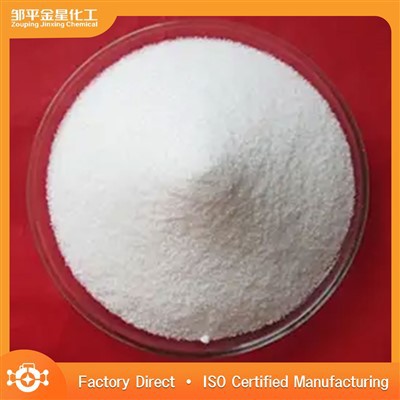
On the other hand, water - soluble fertilizers can be quickly absorbed by plants, providing an immediate boost of nutrients. This can be useful in situations where plants need a rapid supply of nutrients, such as during the early stages of growth or when recovering from stress. Our company offers Water - soluble Crystalline Sodium Sulfate, which is a high - quality water - soluble fertilizer that can be easily absorbed by plant roots.
Impact of Fertilizer Application Methods
The way fertilizers are applied also affects root development. Broadcasting fertilizers over the soil surface can lead to a more widespread distribution of nutrients, but it may not be as efficient in delivering nutrients directly to the root zone. Banding fertilizers near the seed or plant roots can ensure that the roots have access to a concentrated source of nutrients, promoting better root growth.
Fertigation, which involves applying fertilizers through irrigation systems, can provide a precise and efficient way of delivering nutrients to the roots. This method allows for better control of nutrient application and can be adjusted according to the plant's growth stage and nutrient requirements.
Our Fertilizer Products for Root Development
As a fertilizer supplier, we offer a wide range of products that are designed to support healthy root development. In addition to the boron - containing products mentioned earlier, we also have Pentahydrate Borax, which is a versatile source of boron for fertilizers.
Our Industrial - grade High - purity Potassium Chloride is a high - quality potassium source that can enhance root growth and improve plant stress tolerance. These products are carefully formulated to provide the right balance of nutrients for optimal root development.
Conclusion
Fertilizers have a profound impact on the root development of plants. By providing the necessary macronutrients and micronutrients, the right fertilizer formulation, and appropriate application methods, we can promote healthy root growth, which in turn leads to better - performing plants. As a fertilizer supplier, we are committed to providing high - quality products that can help farmers and gardeners achieve optimal root development and plant growth.
If you are interested in learning more about our fertilizer products or would like to discuss your specific requirements for root development in plants, please feel free to contact us for procurement and further discussion.
References
- Marschner, H. (1995). Mineral Nutrition of Higher Plants. Academic Press.
- Epstein, E., & Bloom, A. J. (2005). Mineral Nutrition of Plants: Principles and Perspectives. Sinauer Associates.
- Mengel, K., & Kirkby, E. A. (2001). Principles of Plant Nutrition. Kluwer Academic Publishers.