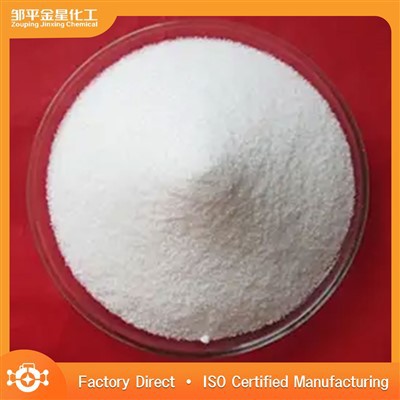
Hey there! As a supplier of sodium hydroxide, I often get asked if this chemical can be used in pigment production. Well, let me tell you, sodium hydroxide can indeed play a crucial role in making pigments. In this blog, I'll break down how it's used, the benefits it brings, and why you might want to consider our sodium hydroxide products for your pigment - making needs.


How Sodium Hydroxide is used in Pigment Production
pH Adjustment
One of the most common uses of sodium hydroxide in pigment manufacturing is pH adjustment. Many pigment - forming reactions are highly sensitive to the pH of the solution. By adding sodium hydroxide, manufacturers can control whether the environment is acidic or basic. For example, in the synthesis of some metal - based pigments, a specific pH range is required to ensure the proper precipitation of metal salts. If the pH is too low, the reaction may not occur, or the resulting pigment might have poor quality. On the other hand, if it's too high, unwanted side reactions can take place. Sodium hydroxide allows for precise pH control, which is essential for getting the desired color, particle size, and stability of the pigment.
Saponification
Sodium hydroxide can be used in saponification reactions, which are important in producing certain types of organic pigments. Some organic compounds can react with sodium hydroxide to form salts or soaps. These reaction products can then be further processed to create pigments. For instance, in the production of some fatty - acid - based pigments, sodium hydroxide reacts with fatty acids present in the raw materials. This saponification not only helps in breaking down the complex organic molecules but also aids in purifying them. The resulting soaps can be precipitated and then treated to form pigments with unique properties.
Surface Treatment
Another use of sodium hydroxide is in the surface treatment of pigments. After the pigment particles are formed, their surface properties can greatly affect how they behave in different applications. Sodium hydroxide can be used to modify the surface charge of pigment particles. By adjusting the surface charge, the dispersion of pigments in solvents or matrices can be improved. This is crucial because well - dispersed pigments result in more uniform coloring, better hiding power, and improved stability in the final product, whether it's paint, ink, or plastic.
Benefits of Using Sodium Hydroxide from Our Supply
High Purity
We offer High Purity Flake Caustic Soda that ensures minimal impurities. In pigment production, impurities can have a significant impact on the color and quality of the final product. Even small amounts of contaminants can cause color shifts or reduce the pigment's stability. Our high - purity sodium hydroxide helps you avoid these issues, allowing you to produce high - quality pigments consistently.
Versatility
Our sodium hydroxide comes in different grades to suit various pigment - making processes. Whether you need Food Grade and Industrial Grade Caustic Soda for pigments used in food - contact applications or Industrial Grade High - purity Fire Alkali for general industrial pigments, we've got you covered. This versatility means you can source all your sodium hydroxide needs from one reliable supplier, simplifying your procurement process.
Consistent Quality
We understand that in pigment production, consistency is key. That's why we have strict quality control measures in place to ensure that every batch of sodium hydroxide we supply meets the same high standards. This means you can expect the same level of performance and results in your pigment - making every time you use our product.
Impact on the Environment and Safety Considerations
Environmental Impact
While sodium hydroxide is a powerful chemical, we take steps to minimize its environmental impact. Our production process is designed to reduce waste and emissions. Additionally, in pigment production, the appropriate use of sodium hydroxide can actually contribute to more sustainable pigment - making. For example, by precisely controlling reactions with sodium hydroxide, less raw material may be wasted, leading to more efficient production.
Safety
Sodium hydroxide is a caustic substance, and proper safety measures must be taken when handling it. We provide detailed safety data sheets with our products, which include information on how to safely store, handle, and dispose of sodium hydroxide. Our experts are also available to offer guidance on safety best practices, ensuring that your workers are protected while using our product.
Conclusion: Why You Should Choose Our Sodium Hydroxide for Pigment Production
To sum it up, sodium hydroxide is an indispensable chemical in pigment manufacturing. It offers multiple functions in the production process, from pH control to surface treatment. And when it comes to sourcing sodium hydroxide, we've got the edge. Our high - purity, versatile, and consistently - high - quality products can help you produce top - notch pigments.
If you're in the pigment - making business and looking for a reliable sodium hydroxide supplier, don't hesitate to reach out. We're keen to discuss your specific needs and see how our products can fit into your production process. Whether you're a small - scale pigment producer or a large - scale industrial operation, we've got solutions for you. Contact us for a consultation and let's start a great partnership that will take your pigment production to the next level.
References
- Smith, J. (2020). Chemical Processes in Pigment Production. London: Chemistry Press.
- Brown, A. (2018). The Role of Inorganic Chemicals in Pigment Synthesis. New York: Science Publishers.
- Green, C. (2019). Sustainable Pigment Manufacturing: Advances and Challenges. Berlin: Environmental Science Books.