Hey there! As a boric acid supplier, I often get asked if boric acid can be used for cleaning. Well, the answer is a resounding yes! Boric acid is a versatile and effective cleaning agent that has been used for decades. In this blog post, I'll dive into the ins and outs of using boric acid for cleaning, its benefits, and some practical tips.
What is Boric Acid?
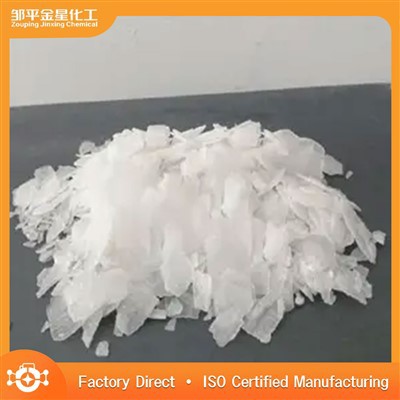
Boric acid, also known as hydrogen borate, is a weak acid derived from boron. It's a white, crystalline powder that's soluble in water. You can find it in various forms, like Pharmaceutical-grade Boric Acid, Boric Crystals, and Reagent-grade Boric Acid. Each type has its own set of uses and purity levels.
Why Use Boric Acid for Cleaning?
There are several reasons why boric acid is a great choice for cleaning:
1. Natural and Non-Toxic
Boric acid is a natural substance, which means it's less harmful to the environment compared to many chemical cleaners. It's also non-toxic in small amounts, making it a safer option for households with kids and pets.
2. Antibacterial and Antifungal Properties
Boric acid has strong antibacterial and antifungal properties. It can kill a wide range of bacteria and fungi, making it ideal for cleaning areas prone to mold and mildew, like bathrooms and kitchens.
3. Versatile
It can be used for a variety of cleaning tasks. From scrubbing floors to cleaning toilets, boric acid can handle it all.
4. Cost-Effective
Compared to many commercial cleaning products, boric acid is relatively inexpensive. You can get a large quantity for a reasonable price, which makes it a budget-friendly option.
How to Use Boric Acid for Cleaning
1. General Cleaning
For general cleaning, you can make a simple boric acid solution. Mix about 1/4 cup of boric acid with a gallon of warm water. Use this solution to clean countertops, floors, and other surfaces. You can also use a sponge or a cloth to apply the solution.
2. Bathroom Cleaning
Bathrooms are a breeding ground for mold and mildew. To clean your bathroom, make a paste by mixing boric acid with a little water. Apply the paste to the areas with mold and mildew, like the shower tiles and grout. Let it sit for a few minutes, then scrub with a brush and rinse with water.


3. Laundry
Boric acid can also be used in the laundry. Add about 1/2 cup of boric acid to your washing machine along with your regular detergent. It can help remove stains and odors from your clothes.
4. Pest Control
Boric acid is a well-known pest control agent. You can sprinkle it in areas where pests like ants, cockroaches, and fleas are likely to be found. The pests will ingest the boric acid, which will eventually kill them.
Precautions
While boric acid is relatively safe, there are some precautions you should take:
- Keep it out of reach of children and pets: Although it's non-toxic in small amounts, ingesting large quantities of boric acid can be harmful.
- Wear gloves: When handling boric acid, it's a good idea to wear gloves to protect your skin.
- Ventilate the area: When using boric acid for cleaning, make sure the area is well-ventilated to avoid inhaling the powder.
Where to Buy Boric Acid
As a boric acid supplier, I can offer you high-quality boric acid products. Whether you need Pharmaceutical-grade Boric Acid, Boric Crystals, or Reagent-grade Boric Acid, we've got you covered.
If you're interested in purchasing boric acid for your cleaning needs, feel free to reach out to us. We can provide you with more information about our products and help you choose the right one for your specific requirements.
Conclusion
Boric acid is a fantastic cleaning agent that offers many benefits. It's natural, non-toxic, versatile, and cost-effective. Whether you're looking to clean your home, control pests, or do some laundry, boric acid can be a great solution. If you have any questions or want to discuss your boric acid needs, don't hesitate to contact us. We're here to help you find the best boric acid products for your cleaning tasks.
References
- "Boric Acid: A Versatile Compound." Journal of Chemical Education.
- "Cleaning with Natural Substances." Environmental Health Magazine.