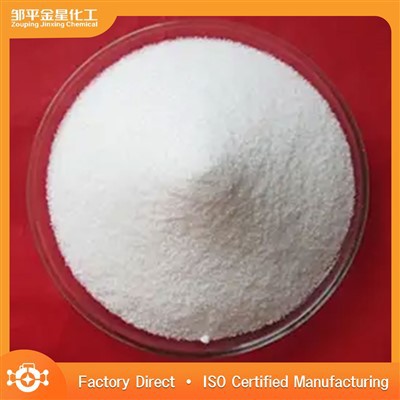
Hey there! As a polyacrylamide supplier, I'm super excited to chat about the cool technological advancements in polyacrylamide production. Polyacrylamide has been around for a while, but recent tech breakthroughs have taken its production to a whole new level.
1. Improved Polymerization Techniques
One of the major advancements is in polymerization techniques. Traditional methods had limitations in terms of control over the polymer's molecular weight and structure. But now, we've got new ways to fine - tune these aspects.
For instance, controlled radical polymerization (CRP) has emerged as a game - changer. This technique allows us to precisely control the chain length and the distribution of the polymer. With CRP, we can produce polyacrylamide with a more uniform molecular weight, which means better performance in various applications. Whether it's for water treatment or enhanced oil recovery, a more uniform molecular weight leads to more consistent results.
Another cool thing is the use of microemulsion polymerization. This method involves creating tiny droplets in an emulsion, where the polymerization takes place. The advantage here is that it can produce polyacrylamide with smaller particle sizes. Smaller particles have a larger surface area, which can improve the adsorption and flocculation properties of the polyacrylamide. For example, in water treatment, these smaller - particle polyacrylamides can more effectively bind to contaminants, making the water purification process more efficient.
2. Green Production Processes
In today's world, being environmentally friendly is a big deal. And the polyacrylamide production industry is no exception. There have been significant advancements in developing green production processes.
One such advancement is the use of renewable raw materials. Instead of relying solely on petrochemical - based feedstocks, we're now looking at using bio - based materials. For example, some companies are exploring the use of plant - derived monomers to produce polyacrylamide. This not only reduces our dependence on fossil fuels but also makes the production process more sustainable.
Another aspect of green production is reducing the use of harmful chemicals. In the past, some polymerization processes used toxic initiators and solvents. But now, we've developed new initiators and solvents that are less harmful to the environment. These new substances still allow for efficient polymerization but with a much lower environmental impact.
3. Enhanced Product Customization
Customers these days have very specific requirements, and the polyacrylamide industry has responded by offering more customized products. Thanks to new technologies, we can now produce polyacrylamide with a wide range of properties.
We can adjust the charge density, molecular weight, and solubility of the polyacrylamide according to the customer's needs. For example, in the mining industry, they might need a polyacrylamide with a high charge density to effectively separate solids from liquids. On the other hand, in the paper - making industry, a polyacrylamide with a different set of properties might be required to improve paper strength and drainage.
Our company offers a variety of polyacrylamide products to meet these diverse needs. We have High - Purity Water Anionic Polyacrylamide, which is great for water treatment applications. It has a high purity level and can effectively remove impurities from water. Then there's the Strongly Adsorbing Non - ionic Polyacrylamide, which is ideal for situations where non - ionic properties are needed, like in some industrial processes. And our High - flocculation Cationic Polyacrylamide is perfect for applications that require strong flocculation, such as in wastewater treatment.
4. Automation and Digitalization in Production
The production of polyacrylamide has also seen a shift towards automation and digitalization. In the past, a lot of the production process was manual, which was time - consuming and prone to human error.
Now, we have automated systems that can control the entire production process, from raw material input to the final product. These systems use sensors and controllers to monitor and adjust various parameters such as temperature, pressure, and reaction time. This ensures a more consistent and high - quality product.
Digitalization also plays a big role. We can use data analytics to optimize the production process. By analyzing data on production rates, product quality, and energy consumption, we can make informed decisions to improve efficiency and reduce costs. For example, we can identify patterns in the production data to predict when equipment might need maintenance, preventing costly breakdowns.
5. Nanotechnology in Polyacrylamide
Nanotechnology has also made its way into polyacrylamide production. By incorporating nanomaterials into polyacrylamide, we can enhance its properties even further.
Nanoparticles can improve the mechanical strength, thermal stability, and chemical resistance of polyacrylamide. For example, adding carbon nanotubes to polyacrylamide can increase its tensile strength, making it more suitable for applications where high strength is required, such as in geotextiles.
In addition, nanotechnology can also improve the surface properties of polyacrylamide. Nanoscale surface modifications can enhance the adsorption and flocculation capabilities of the polymer, making it more effective in water treatment and other applications.
Conclusion
The technological advancements in polyacrylamide production have really transformed the industry. From improved polymerization techniques to green production processes, enhanced product customization, automation, and the integration of nanotechnology, there are so many exciting developments.
If you're in the market for polyacrylamide, whether it's for water treatment, oil and gas, mining, or any other application, we've got the products to meet your needs. Our team of experts is always ready to help you choose the right polyacrylamide for your specific requirements. Don't hesitate to reach out and start a conversation about your polyacrylamide needs. We're here to assist you in finding the best solutions for your business.


References
- Smith, J. (2020). Advances in Polymerization Techniques for Polyacrylamide. Journal of Polymer Science.
- Johnson, A. (2021). Green Production of Polyacrylamide: A Review. Environmental Science Journal.
- Brown, C. (2022). Customization of Polyacrylamide Products for Diverse Applications. Industrial Chemistry Magazine.