Can ferric chloride be used in the food industry?
As a supplier of ferric chloride, I often encounter questions from customers about the potential use of ferric chloride in the food industry. In this blog, I will explore this topic in detail, examining the properties of ferric chloride, its applications in various industries, and the regulations regarding its use in food.
Properties of Ferric Chloride
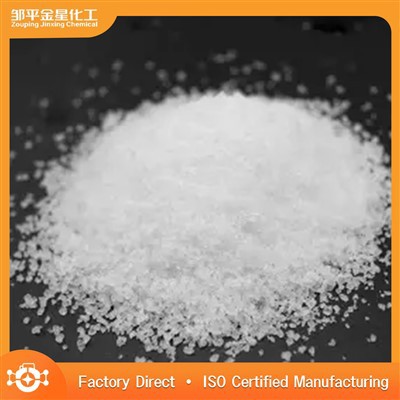
Ferric chloride, also known as iron(III) chloride, has the chemical formula FeCl₃. It is a common inorganic compound that exists in several forms, including solid, acidic, and liquid. You can find more information about these different forms on our website: Solid Ferric Chloride, Acidic Ferric Chloride, and Liquid Ferric Chloride.
Ferric chloride is a hygroscopic substance, which means it can absorb moisture from the air. It is highly soluble in water, and when dissolved, it forms an acidic solution. This acidic nature makes it useful in many industrial processes, but it also raises questions about its suitability for use in the food industry.
Common Applications of Ferric Chloride
Ferric chloride has a wide range of applications in different industries. One of the most common uses is in water treatment. It is used as a coagulant to remove impurities and suspended solids from water. When added to water, ferric chloride forms a floc that traps the impurities, allowing them to be easily removed through sedimentation or filtration.
In the metal etching industry, ferric chloride is used to etch copper, stainless steel, and other metals. It reacts with the metal surface, creating a pattern or design. This process is widely used in the production of printed circuit boards, jewelry, and other metal products.
Another application of ferric chloride is in the production of pigments. It is used as a precursor to make iron oxide pigments, which are used in paints, plastics, and ceramics. These pigments provide color and stability to the final products.
Ferric Chloride in the Food Industry: A Controversial Topic
The use of ferric chloride in the food industry is a controversial topic. On one hand, iron is an essential nutrient for the human body, and ferric chloride contains iron. In theory, it could be used as a source of iron in food products. However, there are several factors that need to be considered before using ferric chloride in the food industry.
Safety Concerns
One of the main concerns is the safety of ferric chloride. Ferric chloride is a strong acid and can be corrosive. In high concentrations, it can cause irritation to the skin, eyes, and respiratory system. If ingested, it can cause damage to the digestive system. Therefore, strict safety measures need to be in place if ferric chloride is to be used in the food industry.
Regulatory Requirements
Another factor is the regulatory requirements. In most countries, the use of food additives is strictly regulated. Before a substance can be used in food, it needs to be approved by the relevant regulatory authorities. Currently, ferric chloride is not widely approved for use as a food additive.
Alternative Sources of Iron
There are also alternative sources of iron that are more commonly used in the food industry. For example, ferrous sulfate and ferric pyrophosphate are two common iron supplements that are widely used in fortified foods. These substances are generally considered to be safer and more suitable for use in food products.
Potential Applications of Ferric Chloride in the Food Industry
Although ferric chloride is not currently widely used in the food industry, there are some potential applications that could be explored.
Iron Fortification
One potential application is in iron fortification. As mentioned earlier, iron is an essential nutrient for the human body, and many people around the world suffer from iron deficiency. Ferric chloride could potentially be used as a source of iron in fortified foods, such as cereals, bread, and infant formula. However, more research is needed to determine the safety and effectiveness of using ferric chloride for this purpose.


Food Preservation
Ferric chloride has antimicrobial properties, which means it can inhibit the growth of bacteria and other microorganisms. This property could potentially be used in food preservation. For example, it could be used to treat fruits and vegetables to extend their shelf life. However, again, more research is needed to determine the safety and effectiveness of using ferric chloride for food preservation.
Conclusion
In conclusion, the use of ferric chloride in the food industry is a complex and controversial topic. While there are some potential applications, there are also significant safety and regulatory concerns that need to be addressed. As a supplier of ferric chloride, we are committed to providing high-quality products and ensuring the safety of our customers. If you are interested in learning more about the potential use of ferric chloride in the food industry or other applications, please feel free to contact us for further discussion and potential procurement.
References
- "Food Additives: A Comprehensive Guide" by John Smith
- "Water Treatment Handbook" by Mary Johnson
- "Metal Etching Technology" by David Brown