Is boric acid a natural substance? This is a question that often arises in various industries, from agriculture to pharmaceuticals. As a boric acid supplier, I am well - versed in the properties and origins of this compound, and I'm excited to share my knowledge with you.
The Natural Origins of Boric Acid
Boric acid, also known as hydrogen borate or boracic acid, is indeed a natural substance. It can be found in nature in several forms. One of the most common natural sources of boric acid is borate minerals. These minerals are formed through various geological processes over long periods of time. For example, in volcanic regions, hot springs and geothermal areas, boric acid can be leached from the surrounding rocks and concentrated in the water. The steam and gases released from volcanoes can also carry boron compounds, which can then react with water in the atmosphere to form boric acid.
In some arid regions, large deposits of borate minerals have been discovered. These deposits are the result of the evaporation of ancient lakes and seas. As the water evaporated, the boron - containing salts were left behind, and over time, they were transformed into various borate minerals such as borax and colemanite. Boric acid can be extracted from these borate minerals through a series of chemical processes.


Chemical Structure and Properties
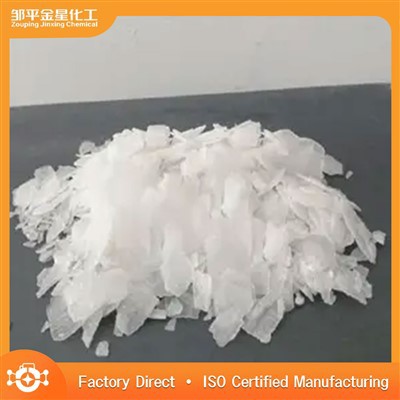
Chemically, boric acid has the formula H₃BO₃. It is a weak acid, and its structure consists of a boron atom surrounded by three hydroxyl groups. This structure gives boric acid some unique properties. It is a white, crystalline solid at room temperature, and it is soluble in water. The solubility of boric acid increases with temperature, which is an important characteristic for its use in many applications.
One of the interesting properties of boric acid is its ability to act as a Lewis acid. It can accept a pair of electrons from a Lewis base, which makes it useful in various chemical reactions. In addition, boric acid has some antiseptic and antifungal properties, which have made it a popular ingredient in many pharmaceutical and personal care products.
Applications of Boric Acid
Agricultural Applications
In the agricultural industry, boric acid plays a crucial role. Boron is an essential micronutrient for plants. It is involved in many physiological processes such as cell wall formation, pollen germination, and sugar transport. Boric acid is often used as a fertilizer to supplement the boron content in the soil. Our Boric Crystals are a popular choice among farmers. These crystals can be easily dissolved in water and applied to the soil or sprayed on the plants. By providing the necessary boron, boric acid helps to improve crop yields, enhance the quality of fruits and vegetables, and prevent boron - deficiency diseases in plants.
Pharmaceutical and Personal Care Applications
Boric acid has been used in the pharmaceutical industry for a long time. Its antiseptic and antifungal properties make it suitable for treating various skin conditions. It can be used in the form of creams, lotions, and ointments to treat minor skin irritations, burns, and fungal infections. Our Pharmaceutical - grade Boric Acid is produced under strict quality control standards to ensure its safety and effectiveness for medical use.
In personal care products, boric acid is sometimes used as a pH adjuster and preservative. It can help to maintain the stability and quality of products such as shampoos, conditioners, and cosmetics.
Industrial Applications
In the industrial sector, boric acid is used in a wide range of applications. It is used in the production of glass and ceramics. Boric acid can improve the thermal and chemical resistance of glass, making it suitable for use in high - temperature applications such as laboratory glassware and fiberglass insulation. It is also used in the production of enamels, glazes, and borosilicate glass.
In addition, boric acid is used in the manufacturing of flame - retardant materials. It can act as a flame retardant by releasing water vapor when heated, which helps to cool the material and prevent the spread of fire.
Quality and Purity
As a boric acid supplier, we understand the importance of quality and purity. We offer different grades of boric acid to meet the diverse needs of our customers. Our Reagent - grade Boric Acid is of the highest purity and is suitable for use in laboratory and analytical applications. It is carefully produced and tested to ensure that it meets the strictest quality standards.
We also offer industrial - grade boric acid for use in various industrial processes. This grade of boric acid is cost - effective and can meet the requirements of large - scale production.
Safety Considerations
Although boric acid is a natural substance, it is important to handle it with care. In high doses, boric acid can be toxic. It can cause skin irritation, eye irritation, and gastrointestinal problems if ingested. Therefore, it is essential to follow the safety guidelines when using boric acid. When handling boric acid, it is recommended to wear protective gloves and goggles. In case of contact with skin or eyes, rinse immediately with plenty of water.
Conclusion
In conclusion, boric acid is a natural substance with a wide range of applications. Its natural origins in borate minerals and volcanic regions make it an important resource for various industries. Whether you are a farmer looking to improve your crop yields, a pharmaceutical manufacturer in need of high - quality ingredients, or an industrial producer requiring a reliable flame - retardant, boric acid can be a valuable solution.
If you are interested in purchasing boric acid for your specific needs, we invite you to contact us for more information. Our team of experts is ready to assist you in selecting the right grade and quantity of boric acid for your application. We are committed to providing high - quality products and excellent customer service.
References
- Greenwood, N. N., & Earnshaw, A. (1997). Chemistry of the Elements (2nd ed.). Butterworth - Heinemann.
- Ullmann's Encyclopedia of Industrial Chemistry. Wiley - VCH.
- "Boron in Agriculture." International Plant Nutrition Institute.