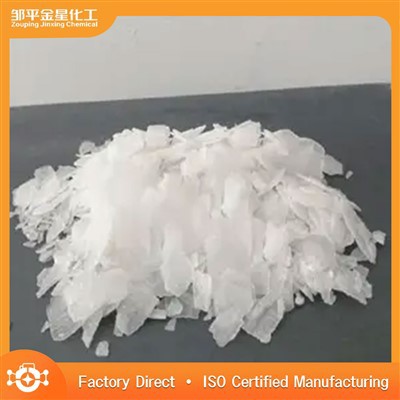
Hey there! As a potassium sulfate supplier, I've seen firsthand how this amazing compound can work wonders for concrete durability. In this blog, I'm gonna break down the science behind it and show you why potassium sulfate is a game - changer in the concrete industry.
The Basics of Concrete Durability
Before we dive into how potassium sulfate helps, let's quickly go over what concrete durability means. Durability in concrete refers to its ability to resist weathering, chemical attack, abrasion, and other deteriorating processes over time. A durable concrete structure can last for decades, saving money on repairs and replacements.
There are several factors that can affect concrete durability. Environmental conditions like extreme temperatures, humidity, and exposure to chemicals can all take a toll on concrete. For example, freeze - thaw cycles can cause cracks in concrete as water expands when it freezes. Chemicals such as sulfates in the soil or water can react with the cement in concrete, leading to deterioration.


How Potassium Sulfate Comes into Play
Potassium sulfate (K₂SO₄) has some unique properties that make it a valuable addition to concrete. First off, it can act as a catalyst in the hydration process of cement. When cement is mixed with water, a series of chemical reactions occur, and this is called hydration. Potassium sulfate speeds up this process, which means the concrete sets faster and gains strength more quickly.
Faster setting times are crucial for construction projects. It allows for quicker formwork removal and reduces the time required for the concrete to reach its design strength. This not only saves time but also reduces labor costs.
Another important aspect is that potassium sulfate can improve the workability of concrete. Workability refers to how easily the concrete can be mixed, placed, and compacted. When potassium sulfate is added, the concrete becomes more fluid, making it easier to pour and shape. This is especially useful in large - scale construction projects where large volumes of concrete need to be moved and placed efficiently.
Resistance to Chemical Attacks
One of the biggest threats to concrete durability is chemical attack. Sulfates in the soil or groundwater can seep into the concrete and react with the cement paste. This reaction forms expansive compounds that can cause cracking and spalling of the concrete surface.
Potassium sulfate can help mitigate this problem. When added to concrete, it forms a protective layer within the concrete matrix. This layer acts as a barrier, preventing sulfates from penetrating deep into the concrete and causing damage. In fact, studies have shown that concrete with potassium sulfate has a significantly higher resistance to sulfate attack compared to plain concrete.
Freeze - Thaw Resistance
As mentioned earlier, freeze - thaw cycles can be a major problem for concrete. When water freezes inside the concrete pores, it expands, creating internal stresses that can lead to cracking. Potassium sulfate can improve the freeze - thaw resistance of concrete in a couple of ways.
First, it helps to reduce the size and number of pores in the concrete. Smaller pores mean less space for water to accumulate, which in turn reduces the risk of damage from freezing water. Second, the improved strength and density of the concrete due to the addition of potassium sulfate make it more resistant to the forces generated during freeze - thaw cycles.
Case Studies and Real - World Examples
There have been numerous real - world applications where potassium sulfate has proven its worth in improving concrete durability. For instance, in a large - scale bridge construction project, the addition of potassium sulfate to the concrete mix led to a significant reduction in cracking and spalling. The bridge, which was exposed to harsh environmental conditions including saltwater spray and freeze - thaw cycles, showed remarkable durability over time.
In another case, a commercial building used potassium sulfate - enhanced concrete for its foundation. The building was located in an area with high sulfate levels in the soil. Thanks to the potassium sulfate, the foundation remained intact and showed no signs of deterioration even after several years.
Our Potassium Sulfate Products
We offer high - quality potassium sulfate products that are perfect for improving concrete durability. Our Industrial - grade High - purity Potassium Chloride is a great option for those looking for a pure and effective additive for their concrete mixes. It has a high purity level, which ensures consistent performance in enhancing concrete properties.
If you need a more alkaline option, our Industrial - grade Strong Alkaline Potassium Hydroxide is a top - notch choice. It can provide additional benefits in terms of chemical resistance and workability.
Why Choose Our Potassium Sulfate?
There are several reasons why you should choose our potassium sulfate products. Firstly, we have strict quality control measures in place. Every batch of our potassium sulfate is tested to ensure it meets the highest standards. This means you can trust that you're getting a product that will deliver the promised benefits.
Secondly, we offer competitive pricing. We understand that cost is an important factor in construction projects, and we strive to provide high - quality products at affordable prices.
Finally, our customer service team is always ready to help. Whether you have questions about product usage, application rates, or anything else related to potassium sulfate, we're here to assist you.
Let's Get in Touch
If you're interested in using potassium sulfate to improve the durability of your concrete projects, don't hesitate to reach out. We're eager to discuss your specific needs and find the best solution for you. Whether you're a small - scale contractor or a large - scale construction company, we have the products and expertise to support you.
References
- Neville, A. M. (2011). Properties of Concrete. Pearson Education.
- Mehta, P. K., & Monteiro, P. J. M. (2014). Concrete: Microstructure, Properties, and Materials. McGraw - Hill.