Hey there, fellow aquaculture enthusiasts! I'm an industry insider and a supplier of polyferric sulfate. Today, I'm stoked to chat about the crucial role polyferric sulfate plays in water treatment within the aquaculture industry.
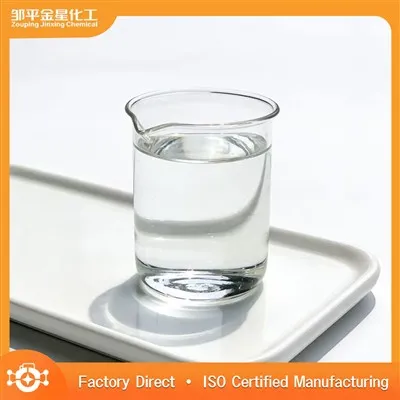
First off, let's get into what polyferric sulfate is. It's a highly effective water treatment agent that comes in two main forms: Liquid Polymeric Ferric Sulfate and Solid Polymeric Ferric Sulfate. These forms have different properties and applications, but they share the same goal of improving water quality in aquaculture.
One of the primary functions of polyferric sulfate in aquaculture water treatment is coagulation. In aquaculture ponds, there are often a lot of suspended particles, such as algae, plankton, and organic debris. These particles can make the water cloudy and reduce the oxygen levels, which is bad news for the fish and other aquatic organisms. Polyferric sulfate acts as a coagulant, causing these suspended particles to clump together. Once they clump, they become heavier and sink to the bottom of the pond. This process, known as sedimentation, helps to clear up the water, making it cleaner and more transparent.
Another important role is in removing excess nutrients. In aquaculture, fish excrete waste, and uneaten feed also decomposes in the water. These processes release a significant amount of nitrogen and phosphorus. High levels of these nutrients can lead to eutrophication, which causes excessive algae growth. Algae blooms can deplete oxygen in the water, create toxins, and ultimately harm the fish. Polyferric sulfate can react with these nutrients, forming insoluble compounds that can be removed from the water. This helps to maintain a balanced nutrient level in the pond, preventing the growth of harmful algae.
Polyferric sulfate also has a positive impact on water pH. In some aquaculture systems, the water pH can fluctuate, which can be stressful for the fish. Polyferric sulfate can help to stabilize the pH by acting as a buffer. It can neutralize acidic or alkaline substances in the water, keeping the pH within a suitable range for the fish. This is crucial because fish are very sensitive to changes in pH, and even small fluctuations can affect their health and growth.
Now, let's talk about the benefits of using polyferric sulfate in aquaculture. One of the biggest advantages is that it's cost - effective. Compared to some other water treatment chemicals, polyferric sulfate is relatively inexpensive. It can achieve good water treatment results with a relatively small amount, which means lower costs for aquaculture farmers.


It's also environmentally friendly. Polyferric sulfate is a non - toxic and biodegradable substance. When it's used in aquaculture water treatment, it doesn't leave harmful residues in the water. This is important for the long - term health of the aquatic ecosystem and for the safety of the fish that are being raised for human consumption.
In addition, polyferric sulfate is easy to use. Whether it's the liquid or solid form, it can be easily added to the water. The liquid form can be directly poured into the pond, while the solid form can be dissolved in water and then added. This simplicity makes it a popular choice among aquaculture farmers.
However, like any water treatment agent, there are some things to keep in mind when using polyferric sulfate. First of all, the dosage needs to be carefully controlled. Too much polyferric sulfate can cause problems. For example, if the dosage is too high, it can lead to a sudden drop in water pH, which can be harmful to the fish. It's also important to consider the water temperature and the type of aquaculture system. Different water temperatures and systems may require different dosages of polyferric sulfate.
Another thing to note is that polyferric sulfate should be used in combination with other water treatment methods. While it's very effective in coagulation and nutrient removal, it may not be able to address all the water quality issues in an aquaculture pond. For example, it may not be able to completely remove certain types of bacteria or viruses. So, it's a good idea to use it along with other treatments, such as filtration and disinfection.
If you're an aquaculture farmer or someone involved in the aquaculture industry, and you're looking for a reliable water treatment solution, polyferric sulfate could be a great option for you. Our company offers high - quality polyferric sulfate products in both liquid and solid forms. We have a team of experts who can provide you with detailed advice on how to use our products effectively in your aquaculture system.
If you're interested in learning more about our polyferric sulfate products or have any questions about water treatment in aquaculture, don't hesitate to reach out. We're here to help you improve the water quality in your aquaculture ponds and ensure the health and growth of your fish.
References
- Smith, J. (2020). Aquaculture Water Treatment: A Comprehensive Guide. Aquaculture Press.
- Johnson, M. (2019). The Role of Chemicals in Aquaculture Water Quality Management. Journal of Aquaculture Science.