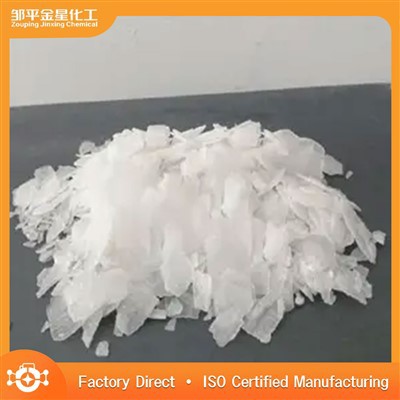
Polyacrylamide (PAM) is a versatile polymer widely used in various industries, including water treatment, oil and gas, papermaking, and mining. As a polyacrylamide supplier, understanding the transportation requirements for PAM is crucial to ensure its safe and efficient delivery to customers. This blog post will discuss the key transportation requirements for polyacrylamide, including packaging, storage, handling, and regulatory compliance.


Packaging Requirements
Proper packaging is essential to protect polyacrylamide during transportation and prevent damage or contamination. The packaging materials should be selected based on the type of polyacrylamide (anionic, cationic, or non-ionic) and its physical form (powder or emulsion).
- Powdered Polyacrylamide: Powdered polyacrylamide is typically packed in multi-layered paper bags or plastic bags with an inner liner to prevent moisture absorption. The bags should be sealed tightly to prevent leakage. Some suppliers may also use drums or bulk containers for large-scale shipments.
- Emulsion Polyacrylamide: Emulsion polyacrylamide is usually packed in plastic drums or intermediate bulk containers (IBCs). The containers should be made of high-quality materials that are resistant to corrosion and leakage. They should also be labeled clearly with the product name, grade, and handling instructions.
In addition to the primary packaging, secondary packaging may be used to provide additional protection during transportation. This may include pallets, shrink-wrap, or corrugated boxes. The packaging should be designed to withstand the rigors of transportation, including vibration, shock, and temperature variations.
Storage Requirements
Polyacrylamide should be stored in a cool, dry, and well-ventilated area to prevent degradation and maintain its quality. The storage temperature should be within the recommended range specified by the manufacturer. For most polyacrylamide products, the storage temperature should be between 5°C and 30°C.
- Avoid Moisture: Moisture can cause polyacrylamide to clump or degrade, reducing its effectiveness. Therefore, it is important to store polyacrylamide in a dry environment and protect it from exposure to water or humidity.
- Separate from Incompatible Substances: Polyacrylamide should be stored separately from incompatible substances, such as strong acids, bases, and oxidizing agents. These substances can react with polyacrylamide and cause it to degrade or lose its effectiveness.
- Proper Labeling: All storage containers should be labeled clearly with the product name, grade, batch number, and expiration date. This will help to ensure proper inventory management and prevent the use of expired or degraded products.
Handling Requirements
Proper handling of polyacrylamide is essential to ensure the safety of workers and prevent damage to the product. Workers should be trained on the proper handling procedures and provided with appropriate personal protective equipment (PPE), such as gloves, goggles, and respirators.
- Avoid Inhalation and Skin Contact: Polyacrylamide powder can be inhaled or come into contact with the skin, which can cause irritation or allergic reactions. Therefore, workers should wear appropriate PPE when handling polyacrylamide and avoid inhaling the powder or getting it on their skin.
- Use Proper Equipment: When handling polyacrylamide, workers should use appropriate equipment, such as shovels, scoops, or pumps, to avoid spills and contamination. The equipment should be cleaned regularly to prevent the buildup of polyacrylamide residue.
- Follow Safety Procedures: Workers should follow all safety procedures and guidelines when handling polyacrylamide, including the use of proper lifting techniques and the avoidance of overexertion. They should also be aware of the potential hazards associated with polyacrylamide and take appropriate precautions to prevent accidents.
Regulatory Compliance
Polyacrylamide is subject to various regulations and standards, including those related to transportation, storage, and handling. As a polyacrylamide supplier, it is important to comply with these regulations to ensure the safety of workers, the environment, and the public.
- Transportation Regulations: Polyacrylamide is classified as a hazardous material in some countries, and its transportation is subject to specific regulations. These regulations may include requirements for packaging, labeling, and documentation. Suppliers should ensure that they comply with all applicable transportation regulations to avoid fines or penalties.
- Environmental Regulations: Polyacrylamide can have an impact on the environment if it is not handled properly. Therefore, suppliers should comply with all environmental regulations related to the storage, handling, and disposal of polyacrylamide. This may include requirements for wastewater treatment, air emissions control, and waste management.
- Safety Regulations: Polyacrylamide can be hazardous if it is not handled properly. Therefore, suppliers should comply with all safety regulations related to the storage, handling, and use of polyacrylamide. This may include requirements for worker training, personal protective equipment, and emergency response planning.
Types of Polyacrylamide and Their Transportation Considerations
There are different types of polyacrylamide, each with its own unique properties and transportation requirements. Here are some common types of polyacrylamide and their transportation considerations:
- Strongly Adsorbing Non-ionic Polyacrylamide: This type of polyacrylamide is commonly used in water treatment and soil stabilization. It is typically shipped in powdered form and should be stored in a dry environment to prevent clumping. You can learn more about Strongly Adsorbing Non-ionic Polyacrylamide.
- High-Purity Water Anionic Polyacrylamide: Anionic polyacrylamide is widely used in water treatment and papermaking. It is usually shipped in powdered or emulsion form. When shipping the emulsion form, special care should be taken to prevent leakage. For more information on High-Purity Water Anionic Polyacrylamide.
- High-flocculation Cationic Polyacrylamide: Cationic polyacrylamide is often used in wastewater treatment and sludge dewatering. It can be shipped in both powdered and emulsion forms. The packaging should be designed to prevent contamination and ensure the stability of the product. You can find details about High-flocculation Cationic Polyacrylamide.
Conclusion
Transporting polyacrylamide requires careful consideration of packaging, storage, handling, and regulatory compliance. By following the proper transportation requirements, suppliers can ensure the safe and efficient delivery of polyacrylamide to their customers. As a polyacrylamide supplier, we are committed to providing high-quality products and ensuring that they are transported in a manner that meets all relevant regulations and standards.
If you are interested in purchasing polyacrylamide or have any questions about our products and transportation services, please feel free to contact us. We look forward to discussing your specific needs and providing you with the best solutions.
References
- "Polyacrylamide: Properties, Applications, and Environmental Impact" - Journal of Polymer Science
- "Transportation Regulations for Hazardous Materials" - International Maritime Organization
- "Safety Guidelines for Handling Chemicals" - Occupational Safety and Health Administration