Hey there! As a supplier of polyferric sulfate, I've seen firsthand how this amazing chemical can revolutionize water treatment. In this blog post, I'm gonna dive into how polyferric sulfate affects the sedimentation rate in water treatment.
First off, let's talk about what sedimentation is. Sedimentation is a key process in water treatment where suspended particles in water settle down to the bottom of a tank or basin. This helps to separate the clean water from the solids, making it easier to further treat and purify the water.
So, how does polyferric sulfate come into play? Well, polyferric sulfate is a coagulant. Coagulants are substances that help to clump together small particles in water, making them heavier and easier to settle. When polyferric sulfate is added to water, it forms positively charged ions. These ions neutralize the negative charges on the suspended particles in the water. Once the charges are neutralized, the particles can stick together and form larger flocs.
The formation of these flocs is crucial for sedimentation. Larger flocs settle more quickly than individual small particles. This is because they have a greater mass and are more likely to overcome the forces that keep them suspended in the water. As a result, the sedimentation rate increases significantly when polyferric sulfate is used.
Let's look at some of the factors that can influence how polyferric sulfate affects the sedimentation rate.


Dosage
The amount of polyferric sulfate you add to the water matters a lot. If you add too little, the coagulation process won't be effective, and the particles won't form large enough flocs. On the other hand, if you add too much, it can lead to over - coagulation. This means that the flocs might break apart, and the sedimentation rate could actually decrease. So, finding the right dosage is crucial. Usually, it depends on the quality of the water, such as the concentration of suspended solids, pH level, and temperature.
pH Level
The pH of the water also plays a big role. Polyferric sulfate works best within a certain pH range. Generally, a pH between 5 and 9 is ideal for most water treatment applications. If the pH is too low or too high, the coagulation process might not work as well, and the sedimentation rate will be affected. For example, at very low pH values, the polyferric sulfate might not form the necessary flocs, and at very high pH values, the flocs might dissolve.
Temperature
Temperature can also impact the sedimentation rate. In general, higher temperatures can speed up the coagulation process. This is because the chemical reactions involved in coagulation happen more quickly at higher temperatures. However, if the temperature is too high, it can also cause the flocs to break apart. So, there's an optimal temperature range where polyferric sulfate works most effectively to increase the sedimentation rate.
Now, let's talk about the two main types of polyferric sulfate that we offer: Solid Polymeric Ferric Sulfate and Liquid Polymeric Ferric Sulfate.
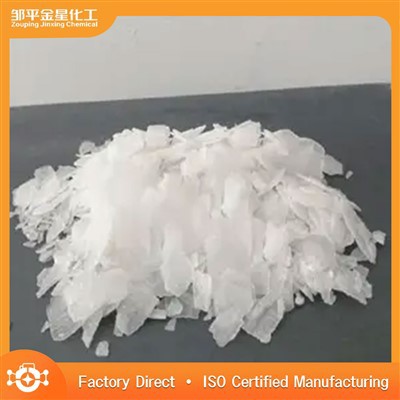
Solid Polymeric Ferric Sulfate is convenient for storage and transportation. It can be easily dissolved in water before use. It's a great option for water treatment plants that have a consistent demand for polyferric sulfate.
Liquid Polymeric Ferric Sulfate, on the other hand, is ready to use. You don't have to go through the process of dissolving it. This can save time, especially in situations where quick treatment is needed.
In many water treatment projects, using polyferric sulfate has shown remarkable results. For instance, in a municipal water treatment plant, after adding the right amount of polyferric sulfate, the sedimentation time was reduced from hours to just a few minutes. This not only improved the efficiency of the water treatment process but also saved a lot of energy and resources.
If you're in the water treatment industry and are looking for a reliable coagulant to improve your sedimentation rate, polyferric sulfate is definitely a great choice. Whether you need Solid Polymeric Ferric Sulfate or Liquid Polymeric Ferric Sulfate, we've got you covered.
If you're interested in learning more about how polyferric sulfate can benefit your water treatment process or want to discuss purchasing options, feel free to reach out. We're always here to help you find the best solution for your specific needs.
References
- "Water Treatment Principles and Design" by David W. Chang, Mark J. Hammer, and Wilbert W. Cleasby
- "Coagulation and Flocculation in Water and Wastewater Treatment" by Bastien Van Hullebusch, Jean - Marie Membré, and Thierry A. Roux