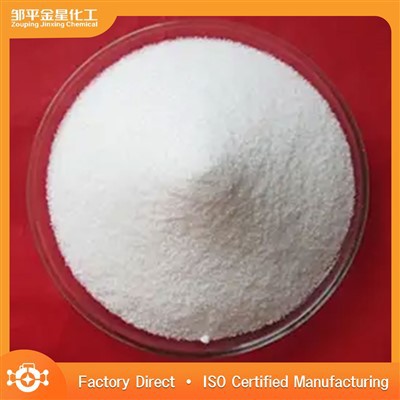
Hey there, folks! As a supplier of sodium hydroxide, I've seen firsthand how this powerful chemical plays a crucial role in various industries. One area where it's particularly important is in the production of glass. In this blog post, I'm gonna break down exactly what sodium hydroxide does in the glass - making process.
What is Sodium Hydroxide?
Let's start with the basics. Sodium hydroxide, often known as caustic soda, is a highly corrosive and strong base. It comes in different forms like flakes, pellets, and solutions. We offer some high - quality options on our website, such as High Purity Flake Caustic Soda, Industrial Grade High - purity Fire Alkali, and Food Grade and Industrial Grade Caustic Soda.
The Glass - Making Process
The production of glass is a complex and ancient art. At its core, glass is made by melting a mixture of raw materials at high temperatures. The main ingredients usually include silica sand, soda ash (sodium carbonate), and limestone (calcium carbonate). But where does sodium hydroxide fit in?


Role in Batch Preparation
One of the key roles of sodium hydroxide in glass production starts right at the batch preparation stage. When you're making glass, you want to ensure that all the raw materials are well - mixed and ready to be melted. Sodium hydroxide can be used to treat the raw materials.
For example, silica sand, which is the main component of glass, often contains impurities. Sodium hydroxide can react with some of these impurities, such as metal oxides. It forms soluble salts with these impurities, which can be easily removed through a washing process. This purification of the silica sand is crucial because impurities can affect the quality of the final glass product. A pure silica source helps in creating glass with better transparency, color, and strength.
Lowering the Melting Point
Glass production requires extremely high temperatures to melt the raw materials. The melting point of silica alone is very high, around 1700°C. This is where sodium hydroxide (or soda ash, which can be converted to sodium hydroxide during the process) comes in handy.
When sodium hydroxide is added to the glass batch, it reacts with the silica. It forms sodium silicate compounds. These sodium silicate compounds have a much lower melting point compared to pure silica. This means that the overall melting point of the glass batch is significantly reduced. For instance, a typical glass batch with sodium hydroxide and other additives might start melting at around 800 - 1000°C. This reduction in melting point not only saves energy during the manufacturing process but also makes the whole operation more manageable, as it requires less intense heat sources.
Adjusting the Viscosity
During the melting and forming stages of glass production, the viscosity of the molten glass is a critical factor. Viscosity determines how easily the glass can be shaped. Sodium hydroxide plays an important role in controlling this viscosity.
As the molten glass cools down, it starts to increase in viscosity. Sodium ions from the sodium hydroxide help to break the silica network in the molten glass. This makes the glass more fluid and easier to shape. Whether you're blowing glass into bottles, rolling it into sheets, or casting it into molds, having the right viscosity is essential for achieving the desired shape and quality of the final product.
Improving Chemical Durability
Once the glass is formed, it needs to be chemically durable. This means that it should be resistant to corrosion from substances like acids, alkalis, and water. Sodium hydroxide can contribute to improving the chemical durability of glass.
During the cooling and annealing process, the sodium hydroxide modifies the surface and structure of the glass. It forms a more stable layer on the glass surface, which acts as a barrier against chemical attack. This is especially important for glass products that will come into contact with chemicals, such as laboratory glassware or chemical storage containers.
Benefits for Different Types of Glass
The use of sodium hydroxide isn't limited to a single type of glass. In fact, it has benefits for various kinds of glass products.
Soda - Lime Glass
Soda - lime glass is the most common type of glass, used for things like windows, bottles, and jars. Sodium hydroxide is a key ingredient in the soda - lime glass formula. It helps in the formation of the glass matrix, provides the right viscosity for shaping, and enhances the glass's chemical and mechanical properties.
Borosilicate Glass
Borosilicate glass is known for its high resistance to thermal shock and chemical corrosion. Sodium hydroxide is used in the production of borosilicate glass to adjust the melting point and the properties of the glass. It helps in creating a well - balanced glass structure that can withstand extreme temperature changes and chemical exposure, which is why it's commonly used in laboratory equipment and kitchenware.
Quality and Sustainability
As a sodium hydroxide supplier, we understand the importance of quality in glass production. High - quality sodium hydroxide ensures consistent results in the glass - making process. Our products, like those I've mentioned earlier, are made to meet strict quality standards so that our customers can rely on them for their glass production needs.
Moreover, there's a growing concern about sustainability in the glass industry. By using sodium hydroxide to lower the melting point of the glass batch, we're helping glass manufacturers reduce their energy consumption. Less energy consumption means a smaller carbon footprint, which is great for the environment.
Connect for Glass - Making Success
If you're in the glass production business and looking for a reliable sodium hydroxide supplier, I'd love to hear from you. Whether you need high - purity grade sodium hydroxide for medical or high - end glass applications or industrial - grade for more general glass production, we've got you covered. Just reach out for a discussion about your specific requirements and how our sodium hydroxide can improve your glass - making process.
References
- "Glass Science and Technology" by David R. Uhlmann and Norman J. Kreidl.
- "Introduction to Glass Science and Technology" by W. Andrew Lee.