Alright, let's dive right into the topic of borax! I've been in the borax supply business for a while now, and I often get asked, "What is borax?" So, I figured I'd write a post to shed some light on this versatile compound.
What Exactly is Borax?
Borax, also known as sodium borate, sodium tetraborate, or disodium tetraborate, is a naturally occurring mineral. It's kind of like a hidden gem in the world of minerals. Chemically, it's made up of boron, sodium, oxygen, and water. The chemical formula for the most common form, borax decahydrate, is Na₂B₄O₇·10H₂O.
You can find this stuff in some arid regions as an evaporite deposit. That means it forms when water in a lake or a similar body evaporates, leaving behind the dissolved minerals, including borax. Some well - known places where borax is mined are California in the United States and parts of Turkey.
Physical and Chemical Properties
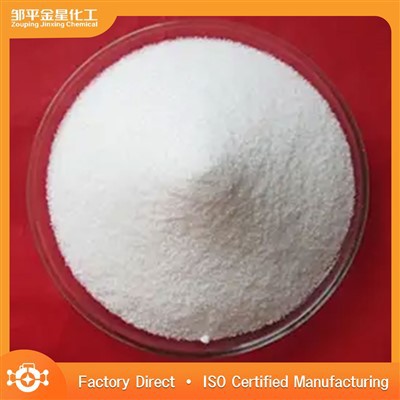
Borax is usually white in color and has a powdery or crystalline appearance. It's not a hard substance; in fact, it has a relatively low hardness on the Mohs scale. It's soluble in water, and when it dissolves, it can act as a mild base.
One of the cool things about borax is its ability to form complex compounds. This property makes it useful in a whole bunch of chemical reactions. For example, it can react with metal ions to form stable complexes, which is handy in various industrial processes.
Different Types of Borax
Borax Decahydrate
This is the most common form of borax you'll come across. Borax Decahydrate contains ten molecules of water in its crystal structure. It's widely used in household cleaning products because it can help to remove stains, deodorize, and soften water.
In the laundry room, it's a great addition to your regular detergent. It can boost the cleaning power, helping to get rid of tough dirt and grime. And it's also gentle on clothes, so you don't have to worry about it damaging your favorite shirts or pants.
Pentahydrate Borax
Pentahydrate Borax has five molecules of water in its structure. It's a bit more concentrated than borax decahydrate. This type of borax is often used in industries where a higher level of borax is needed in a smaller volume.


In the manufacturing of glass and ceramics, pentahydrate borax is used to lower the melting point and improve the clarity and durability of the final product. It also helps in the production of certain types of enamels.
High Purity Refractory Grade Anhydrous Borax
Now, High Purity Refractory Grade Anhydrous Borax is a special one. "Anhydrous" means it doesn't have any water molecules in its structure. This high - purity form is used in applications where extreme heat resistance is required.
In the metallurgical industry, it's used as a flux in welding and soldering. A flux helps to clean the metal surfaces and prevent oxidation during the welding process, ensuring a strong and clean bond. It's also used in the production of some high - performance alloys.
Applications of Borax
Household Uses
As I mentioned earlier, borax is a staple in many households. You can use it as a multi - purpose cleaner. Mix it with water, and you've got a great solution for cleaning countertops, sinks, and even the toilet. It can also be used to get rid of pests like ants. Sprinkle some borax around areas where you've seen ant activity, and it can act as a natural deterrent.
Industrial Uses
In the textile industry, borax is used as a mordant. A mordant helps the dyes to bind better to the fabric, resulting in more vibrant and long - lasting colors. It's also used in the production of fire - retardant materials. By adding borax to certain fabrics or building materials, they become more resistant to catching fire.
Agricultural Uses
Borax is an important source of boron for plants. Boron is an essential micronutrient that helps with cell wall formation, sugar transport, and reproductive development in plants. Farmers can add borax to the soil in appropriate amounts to correct boron deficiencies and improve crop yields. However, it's important to get the dosage right because too much boron can be toxic to plants.
Safety Considerations
Like any chemical substance, borax needs to be handled with care. It's generally considered safe for household use when used as directed. But if you ingest large amounts of borax, it can be harmful. It can cause nausea, vomiting, and diarrhea.
When using borax in its powder form, it's a good idea to wear a dust mask to avoid inhaling the fine particles. And make sure to keep it out of reach of children and pets.
Why Choose Our Borax?
As a borax supplier, I can tell you that we take pride in offering high - quality products. We source our borax from reliable mines and process it using state - of - the - art facilities to ensure the purity and consistency of our products.
Whether you need borax for household cleaning, industrial manufacturing, or agricultural applications, we have the right type and quantity for you. We also provide excellent customer service. Our team is always ready to answer your questions and help you choose the best product for your needs.
If you're interested in purchasing borax, don't hesitate to reach out for a purchase negotiation. We're looking forward to helping you find the perfect borax solution.
References
- Handbook of Minerals: A Guide to the Identification and Properties of Minerals.
- Textbook of Industrial Chemistry: An Overview of Manufacturing Processes.
- Agricultural Nutrients and Plant Health: The Role of Micronutrients.