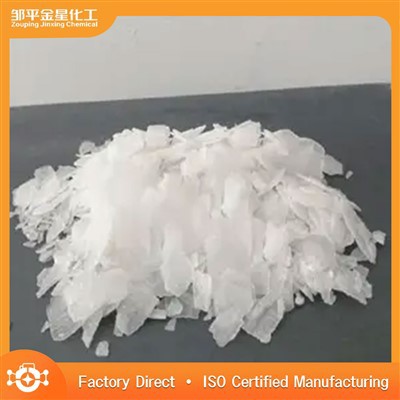
When dealing with magnesium sulfate, whether it's in feed - grade, industrial grade, or anhydrous form, safety precautions are of utmost importance. As a magnesium sulfate supplier, I understand the significance of ensuring that our clients handle this chemical safely. In this blog, I'll share some key safety precautions to keep in mind when handling magnesium sulfate.
Personal Protective Equipment (PPE)
The first line of defense when handling magnesium sulfate is proper personal protective equipment. This includes wearing safety goggles to protect your eyes from potential splashes or dust particles. Magnesium sulfate can cause irritation if it comes into contact with the eyes, and safety goggles provide a physical barrier to prevent this.
Gloves are also essential. Choose gloves made of materials that are resistant to chemical contact, such as nitrile or neoprene. These gloves protect your hands from direct contact with magnesium sulfate, which can cause skin irritation or dryness. Long - sleeved shirts and long pants should be worn to cover as much skin as possible, reducing the risk of skin exposure.
A dust mask or respirator may be necessary when working with magnesium sulfate in a powdered form. Inhalation of magnesium sulfate dust can cause respiratory irritation, coughing, and shortness of breath. A proper respirator can filter out the dust particles, protecting your lungs.
Storage
Proper storage of magnesium sulfate is crucial for safety. Magnesium sulfate should be stored in a cool, dry place away from direct sunlight and heat sources. It should be kept in tightly sealed containers to prevent moisture from entering, as magnesium sulfate can absorb water from the air and form hydrates.
Separate magnesium sulfate from incompatible substances. For example, it should not be stored near strong acids or bases, as chemical reactions can occur. These reactions may release heat, gases, or other hazardous substances.
Handling and Transfer
When handling magnesium sulfate, be careful to avoid spills. If a spill occurs, it should be cleaned up immediately. For small spills, use a dry absorbent material such as sand or vermiculite to soak up the magnesium sulfate. Then, carefully transfer the contaminated absorbent into a proper waste container.
When transferring magnesium sulfate from one container to another, use appropriate tools such as funnels and scoops. Make sure these tools are clean and dry to prevent contamination. Avoid overfilling containers to prevent spills during handling.
First Aid Measures
It's important to be prepared for potential accidents when handling magnesium sulfate. In case of skin contact, immediately wash the affected area with plenty of water for at least 15 minutes. Remove any contaminated clothing and seek medical attention if irritation persists.


If magnesium sulfate gets into the eyes, rinse the eyes gently with water for at least 15 minutes, holding the eyelids open. Seek immediate medical attention.
In case of inhalation, move the person to an area with fresh air. If the person is having difficulty breathing, call for medical help immediately.
Specific Considerations for Different Grades
Feed - grade Magnesium Sulfate
Feed - grade Magnesium Sulfate is used in the animal feed industry. When handling this grade, extra care should be taken to ensure that it is not contaminated with other substances that could be harmful to animals. The storage area should be clean and free from pests to prevent contamination.
Industrial Grade Magnesium Sulfate
Industrial Grade Magnesium Sulfate is used in a variety of industrial applications, such as in the production of fertilizers, dyes, and paper. When handling this grade, it's important to follow the specific safety guidelines of the industrial process. For example, in a chemical manufacturing plant, there may be additional ventilation requirements to prevent the build - up of magnesium sulfate dust in the air.
Magnesium Sulfate Anhydrous
Magnesium Sulfate Anhydrous is more reactive than the hydrated forms. It can absorb moisture rapidly, which may cause heat generation. When handling anhydrous magnesium sulfate, it should be stored in a very dry environment and handled quickly to minimize exposure to air.
Training and Education
All personnel involved in handling magnesium sulfate should receive proper training. This training should cover the properties of magnesium sulfate, the potential hazards, and the appropriate safety precautions. Training should be updated regularly to ensure that employees are aware of the latest safety information.
Emergency Response Plan
A well - defined emergency response plan should be in place. This plan should include procedures for dealing with spills, fires, and other emergencies. It should also specify the roles and responsibilities of each employee in case of an emergency. Regular drills should be conducted to ensure that all employees are familiar with the emergency response procedures.
Environmental Considerations
When handling magnesium sulfate, it's important to consider the environmental impact. Magnesium sulfate can be harmful to aquatic life if it enters water bodies. Therefore, spills should be contained and cleaned up properly to prevent contamination of water sources. Waste magnesium sulfate should be disposed of in accordance with local environmental regulations.
Conclusion
Handling magnesium sulfate safely is essential for the well - being of workers, the environment, and the success of your operations. By following the safety precautions outlined in this blog, you can minimize the risks associated with handling magnesium sulfate.
If you're interested in purchasing high - quality magnesium sulfate, whether it's feed - grade, industrial grade, or anhydrous, we're here to help. Our team of experts can provide you with detailed information about our products and ensure that you have all the necessary knowledge to handle them safely. Reach out to us to start a conversation about your magnesium sulfate needs.
References
- Safety Data Sheets for Magnesium Sulfate, various manufacturers.
- Occupational Safety and Health Administration (OSHA) guidelines on chemical handling.
- Environmental Protection Agency (EPA) regulations on chemical waste disposal.