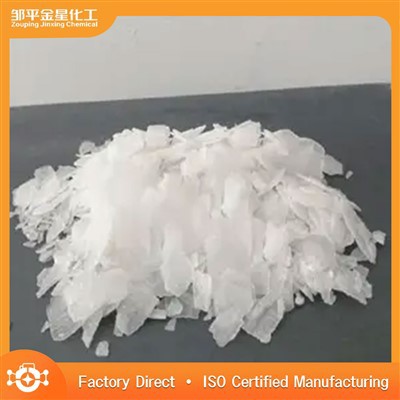
Ammonium sulfate, with the chemical formula (NH₄)₂SO₄, is a widely used inorganic salt with a variety of applications in different industries. As a leading ammonium sulfate supplier, I am delighted to share detailed information about its physical properties, which play a crucial role in determining its uses and handling.
Appearance and Odor
Ammonium sulfate typically appears as a white crystalline solid. Its crystals are well - defined and have a granular or powdery texture depending on the manufacturing process and intended use. The white color is consistent and gives it a clean and pure appearance. In terms of odor, ammonium sulfate is generally odorless under normal conditions. This lack of a strong smell makes it more suitable for various applications, especially in environments where odor can be a concern, such as in food and pharmaceutical industries.
Solubility
One of the most important physical properties of ammonium sulfate is its solubility in water. It is highly soluble in water, with a solubility of approximately 70.6 g per 100 mL of water at 0 °C and 103.8 g per 100 mL at 100 °C. This high solubility allows it to be easily dissolved in water for various applications. For example, in agricultural use, it can be quickly dissolved in irrigation water and applied to the soil, ensuring that the nutrients (nitrogen and sulfur) are readily available to plants.
The solubility of ammonium sulfate also depends on the pH of the solution. In acidic solutions, its solubility may increase slightly due to the formation of ammonium ions and sulfate ions. However, in basic solutions, the solubility may be affected by the precipitation of metal hydroxides if there are metal ions present in the solution.
Density
The density of ammonium sulfate is about 1.77 g/cm³. This relatively high density means that it is a heavy substance. When handling ammonium sulfate, its density needs to be taken into account, especially in transportation and storage. For example, in bulk storage, the weight of a large quantity of ammonium sulfate can put significant pressure on storage containers, so the containers need to be strong enough to withstand the weight.
Melting and Boiling Points
Ammonium sulfate decomposes before it reaches its boiling point. It starts to decompose at around 280 °C, breaking down into ammonia (NH₃), sulfur dioxide (SO₂), water (H₂O), and nitrogen (N₂). Since it decomposes rather than boils, there is no well - defined boiling point.
The melting point of ammonium sulfate is approximately 235 - 280 °C. This relatively high melting point indicates that it is a stable compound under normal temperature conditions. However, when exposed to high temperatures, it will start to break down, which is an important consideration in industrial processes where high - temperature operations may be involved.
Hygroscopicity
Ammonium sulfate is hygroscopic, which means it has the ability to absorb moisture from the air. This property can cause the product to clump or cake over time if not stored properly. To prevent this, it is recommended to store ammonium sulfate in a dry and well - ventilated area. In some cases, anti - caking agents may be added during the manufacturing process to reduce the impact of hygroscopicity.
Particle Size
The particle size of ammonium sulfate can vary depending on its intended use. For agricultural applications, granular ammonium sulfate is often preferred. The granules are typically larger, ranging from a few millimeters in diameter. This granular form is easier to spread evenly on the soil and reduces the risk of dust generation during handling.
On the other hand, for laboratory or industrial processes where a more uniform and fine - grained product is required, a powdered form of ammonium sulfate is used. The fine particles have a larger surface area, which can increase the reaction rate in chemical processes.
Applications Based on Physical Properties
The physical properties of ammonium sulfate make it suitable for a wide range of applications.
Agricultural Use
As a fertilizer, the high solubility of ammonium sulfate in water allows it to be quickly absorbed by plants. The nitrogen in ammonium sulfate is in the ammonium form, which is readily available for plant uptake. The sulfur also plays an important role in plant growth, contributing to the synthesis of proteins and enzymes. The granular form of ammonium sulfate, such as Ammonium Sulfate Granular Fertilizer, is convenient for spreading in the field.
Industrial Use
In the chemical industry, ammonium sulfate is used as a raw material for the production of other chemicals. Its solubility and stability make it a reliable component in various chemical reactions. For example, it can be used in the production of ammonium salts and as a precipitating agent in some purification processes.
Food Industry
In the food industry, Food - grade Ammonium Sulfate is used as a dough conditioner and a nutrient for yeast. Its odorless and soluble properties make it suitable for use in food products. It can help improve the texture and quality of baked goods.


Laboratory Use
In laboratories, Reagent - grade Ammonium Sulfate is commonly used in protein purification processes. Its ability to precipitate proteins based on their solubility in different salt concentrations is a well - known application. The fine - grained powder form is preferred in the laboratory for accurate measurements and efficient reactions.
Handling and Storage Considerations
Given its physical properties, proper handling and storage of ammonium sulfate are essential. When handling, it is important to wear appropriate protective equipment, such as gloves and goggles, to prevent direct contact with the skin and eyes. Since it is hygroscopic, it should be stored in sealed containers in a dry environment to prevent caking and degradation.
Conclusion
The physical properties of ammonium sulfate, including its appearance, solubility, density, melting and boiling points, hygroscopicity, and particle size, have a significant impact on its applications in different industries. As a reliable ammonium sulfate supplier, we ensure that our products meet the highest quality standards, taking into account these physical properties to provide the best solutions for our customers.
If you are interested in purchasing ammonium sulfate for your specific needs, whether it is for agriculture, industry, food, or laboratory use, please feel free to contact us for more information and to start a procurement discussion. We are committed to providing you with the best products and services.
References
- CRC Handbook of Chemistry and Physics, 97th Edition.
- "Fertilizer Manual" published by the International Fertilizer Industry Association.
- Journal of Chemical Education articles related to the properties and applications of ammonium sulfate.