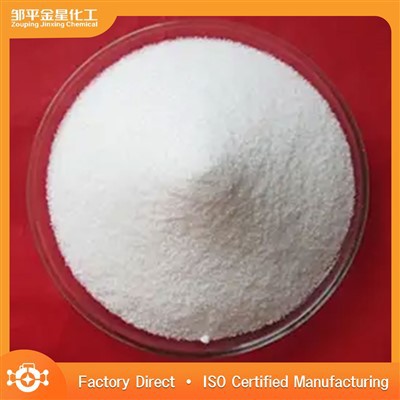
As a supplier of polyferric sulfate, I've encountered numerous inquiries regarding the stability of this essential water treatment agent. Polyferric sulfate is widely used in water treatment processes due to its excellent coagulation and flocculation properties. However, its stability can be influenced by various factors, which I'll discuss in detail in this blog.
Chemical Composition
The chemical composition of polyferric sulfate plays a crucial role in its stability. Polyferric sulfate is a complex polymer with different degrees of polymerization and iron oxidation states. The ratio of iron to sulfate ions, as well as the degree of polymerization, can significantly affect its stability. A higher degree of polymerization generally leads to better stability, as the polymer chains are more tightly bound and less likely to break down.
For instance, if the iron to sulfate ratio is not properly balanced, the polyferric sulfate may be prone to hydrolysis or precipitation. This can result in a decrease in its effectiveness as a coagulant and may also lead to clogging in water treatment systems. Therefore, maintaining the correct chemical composition is essential for ensuring the stability of polyferric sulfate.
pH Value
The pH value of the solution in which polyferric sulfate is used is another important factor affecting its stability. Polyferric sulfate is most stable in a slightly acidic to neutral pH range. At low pH values, the iron ions in polyferric sulfate may exist in a more soluble form, which can lead to hydrolysis and the formation of iron hydroxide precipitates. On the other hand, at high pH values, the polymer chains may break down, resulting in a loss of stability.


In water treatment applications, it is crucial to adjust the pH of the water to the optimal range for polyferric sulfate. This can be achieved by adding acids or alkalis to the water before the addition of polyferric sulfate. By maintaining the appropriate pH, the stability of polyferric sulfate can be maximized, ensuring its effectiveness in coagulation and flocculation processes.
Temperature
Temperature also has a significant impact on the stability of polyferric sulfate. Generally, higher temperatures can accelerate the hydrolysis and polymerization reactions of polyferric sulfate, leading to a decrease in its stability. At elevated temperatures, the polymer chains may break down more easily, and the iron ions may be more prone to oxidation.
In contrast, lower temperatures can slow down these reactions, resulting in better stability. However, extremely low temperatures may also cause the polyferric sulfate to solidify or crystallize, which can affect its solubility and performance. Therefore, it is important to store and use polyferric sulfate at an appropriate temperature range to maintain its stability.
Storage Conditions
Proper storage conditions are essential for maintaining the stability of polyferric sulfate. Polyferric sulfate should be stored in a cool, dry place away from direct sunlight and heat sources. Exposure to moisture and air can cause the polyferric sulfate to hydrolyze and oxidize, leading to a decrease in its stability.
In addition, polyferric sulfate should be stored in a sealed container to prevent contamination and the entry of foreign substances. If the storage conditions are not optimal, the polyferric sulfate may degrade over time, resulting in a loss of its effectiveness as a water treatment agent.
Impurities
The presence of impurities in polyferric sulfate can also affect its stability. Impurities such as heavy metals, organic compounds, and other contaminants can react with the polyferric sulfate, leading to the formation of insoluble precipitates or the degradation of the polymer chains.
Therefore, it is important to use high-quality polyferric sulfate that is free from impurities. Regular testing and analysis of the polyferric sulfate can help to ensure its purity and stability. If impurities are detected, appropriate measures should be taken to remove them or adjust the production process to reduce their presence.
Shelf Life
The shelf life of polyferric sulfate is another factor that can affect its stability. Over time, polyferric sulfate may undergo chemical changes, such as hydrolysis and oxidation, which can reduce its effectiveness. Therefore, it is important to use polyferric sulfate within its recommended shelf life.
The shelf life of polyferric sulfate can vary depending on the storage conditions and the quality of the product. Generally, liquid polyferric sulfate has a shorter shelf life compared to solid polyferric sulfate. It is recommended to check the expiration date of the polyferric sulfate before use and to follow the storage instructions provided by the manufacturer.
Conclusion
In conclusion, the stability of polyferric sulfate is influenced by various factors, including chemical composition, pH value, temperature, storage conditions, impurities, and shelf life. As a supplier of polyferric sulfate, we understand the importance of ensuring the stability of our products to meet the needs of our customers.
We offer both Liquid Polymeric Ferric Sulfate and Solid Polymeric Ferric Sulfate, which are carefully formulated and tested to ensure their stability and effectiveness. Our products are produced using high-quality raw materials and advanced manufacturing processes, and we adhere to strict quality control standards to ensure the consistency and reliability of our polyferric sulfate.
If you are interested in purchasing polyferric sulfate for your water treatment needs, please feel free to contact us for more information. We are committed to providing our customers with the best products and services, and we look forward to working with you to achieve your water treatment goals.
References
- Smith, J. (2018). Water Treatment Chemistry. CRC Press.
- Johnson, R. (2019). Coagulation and Flocculation in Water and Wastewater Treatment. IWA Publishing.
- Brown, A. (2020). Polymeric Coagulants for Water Treatment. Elsevier.