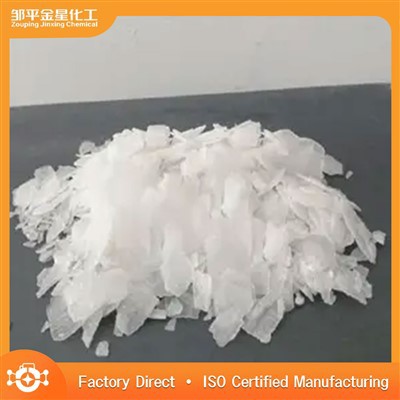
Hey there! As a magnesium sulfate supplier, I'm super stoked to chat about how magnesium sulfate is used in the production of dyes. It's a pretty cool topic that doesn't get enough attention, so let's dive right in!
Understanding Magnesium Sulfate
First off, let's get a basic understanding of magnesium sulfate. It's a chemical compound made up of magnesium, sulfur, and oxygen. You might know it by its common name, Epsom salt. There are different grades of magnesium sulfate, like Feed-grade Magnesium Sulfate, Industrial Grade Magnesium Sulfate, and Sulfate De Magnesium Heptahydrate. For dye production, we mostly focus on the industrial grade.
Role in Dye Production
Fixing Dyes
One of the main uses of magnesium sulfate in dye production is as a dye fixative. When you're dyeing fabrics or other materials, you want the color to stay put. Magnesium sulfate helps the dye molecules bind more tightly to the fibers. It does this by changing the electrical charge on the surface of the fibers, making it easier for the dye to attach. This means that the color is more likely to stay bright and vivid, even after multiple washes.
For example, in the textile industry, when they're dyeing cotton or wool, adding magnesium sulfate to the dye bath can significantly improve the color fastness. It's like giving the dye a better grip on the fabric, so it doesn't fade away easily.
pH Regulation
Another important role of magnesium sulfate is in regulating the pH of the dyeing solution. Different dyes work best at specific pH levels. Magnesium sulfate can act as a buffer, helping to keep the pH stable. This is crucial because if the pH is too high or too low, the dye might not work properly. It could result in uneven coloring or a less intense color.
Let's say you're using an acid dye. Acid dyes work best in an acidic environment. Magnesium sulfate can help maintain the right acidity level in the dye bath, ensuring that the dye works as intended.
Precipitation and Clarification
Magnesium sulfate can also be used to precipitate impurities from the dye solution. During the dye production process, there might be some unwanted particles or chemicals that can affect the quality of the dye. By adding magnesium sulfate, these impurities can be made to clump together and settle at the bottom of the container. This makes it easier to separate them from the dye, resulting in a cleaner and purer dye product.
Advantages of Using Magnesium Sulfate in Dye Production
Cost-Effective
Magnesium sulfate is relatively inexpensive compared to some other chemicals used in dye production. It's readily available and easy to handle, which makes it a cost-effective option for dye manufacturers. This means that they can produce high-quality dyes without breaking the bank.
Environmentally Friendly
It's also a more environmentally friendly option. Unlike some harsh chemicals, magnesium sulfate is non-toxic and biodegradable. This means that it has less of an impact on the environment during the dye production process and when the dyed products are eventually disposed of.
Improved Quality
As we've already mentioned, using magnesium sulfate can improve the quality of the dyes. It helps with color fastness, pH regulation, and impurity removal. This results in dyes that are more vibrant, long-lasting, and consistent in quality.
Case Studies
Let's take a look at a couple of real-world examples of how magnesium sulfate is used in dye production.
Textile Dyeing
A textile company was having problems with color fading in their cotton fabrics. They decided to try adding magnesium sulfate to their dye bath. After making the change, they noticed a significant improvement in the color fastness of their products. The colors were brighter and lasted longer, which led to increased customer satisfaction and fewer returns.


Leather Dyeing
In the leather industry, a tannery was struggling with uneven coloring in their leather products. By using magnesium sulfate in their dyeing process, they were able to achieve more consistent and even coloring. This not only improved the appearance of the leather but also increased its market value.
Our Supply and Support
As a magnesium sulfate supplier, we're committed to providing high-quality products to our customers in the dye production industry. We offer a range of magnesium sulfate grades to meet different needs. Whether you're looking for Feed-grade Magnesium Sulfate, Industrial Grade Magnesium Sulfate, or Sulfate De Magnesium Heptahydrate, we've got you covered.
We also provide excellent customer support. Our team of experts is always ready to answer your questions and help you find the right magnesium sulfate product for your specific dye production needs. We can offer advice on dosage, application methods, and any other technical aspects of using magnesium sulfate in your dyeing process.
Get in Touch
If you're in the dye production business and are interested in using magnesium sulfate, we'd love to hear from you. Whether you're looking to improve the quality of your dyes, reduce costs, or make your production process more environmentally friendly, we can help. Don't hesitate to reach out and start a conversation about how our magnesium sulfate products can benefit your business.
References
- Smith, J. (2020). Chemicals in Dye Production. Journal of Textile Chemistry.
- Johnson, A. (2019). The Role of Magnesium Sulfate in Industrial Processes. Industrial Chemistry Review.