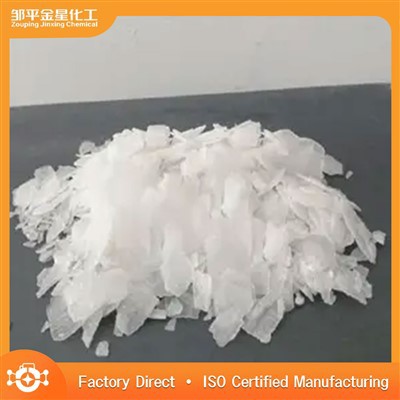
Hey everyone, it’s Alex from AB Chemicals, and today I wanna talk about something that’s been on my mind a lot lately—how sodium sulfate affects soil quality. As a sodium sulfate supplier, I get asked this question all the time by farmers, agronomists, and even hobbyist gardeners. Most people think of sodium sulfate as just an industrial chemical, but the truth is, it plays a way bigger role in agriculture than you might think. Let’s break this down, keep it real, and skip the stuffy jargon. First off, let’s get one thing straight: not all sodium sulfate is the same. We sell a few different grades, so it matters which one you’re using. Whether you’re looking at Industrial Grade Sodium Sulfate for large-scale operations, Purification Grade Sodium Sulfate for more precise applications, or Water-soluble Crystalline Sodium Sulfate that dissolves super easy in water, each has its own impact on soil. Even Sodium Lauryl Sulfate Liquid, which people might associate with cleaners, has niche uses in agriculture too—though we’ll focus mostly on the grades used directly in soil.
First, let’s remember what soil needs to be healthy. It’s not just dirt—it’s a living, breathing ecosystem full of microbes, nutrients, and organic matter. The big three macronutrients are nitrogen, phosphorus, and potassium, but sulfur is often the unsung hero. Sulfur is super important for plant growth—it helps make proteins, enzymes, and vitamins, and it’s key for things like chlorophyll production and drought resistance. Sodium sulfate is a major source of sulfur (in the form of sulfate ions, SO4^2-) and sodium (Na+), so it’s all about balancing those two.
Let’s start with the positives, because that’s where sodium sulfate shines for soil. For one thing, sulfur is a secondary nutrient that many soils are missing, especially in areas with heavy rainfall or intensive farming. Rain leaches sulfur out of the soil, and modern fertilizers often focus on NPK without enough sulfur. Adding sodium sulfate gives plants that sulfur boost they need. I’ve seen this first-hand with corn farmers—when their leaves turned yellow from sulfur deficiency, applying sodium sulfate made them green up in just a couple weeks. It also helps with nutrient uptake: sulfate ions work with other nutrients like nitrogen to make them more available to plants, so it’s not just adding sulfur, it’s helping the soil use what’s already there.
Sodium also has a role, but here’s the catch—too much sodium is bad. Sodium helps with cell structure in some plants, but it can mess up soil structure if it’s not managed right. Soil particles are usually held together by clay and organic matter, and sodium can disperse clay particles, making the soil compacted and hard to work with. But wait, that’s only if you use too much, or if the soil is already high in sodium. For soils that are low in sodium (like some sandy soils), a little sodium from sodium sulfate can actually help improve water retention, because sodium helps soil particles clump together a bit (wait, no—actually, it’s the opposite: too much sodium disperses clay, but moderate amounts in low-sodium soils can help with aggregation? Let me check that again—yeah, sodium adsorption ratio (SAR) is the key here. SAR measures the amount of sodium relative to calcium and magnesium in soil. If SAR is low, adding small amounts of sodium can help, but if it’s high, you get problems. So it’s all about balance.
Now, the negatives—this is where people get worried. Over-applying sodium sulfate can lead to increased soil salinity, especially if you’re using a grade that’s high in sodium, or if you’re adding it to already saline soils. Salinity makes it harder for plants to take up water, because the salt in the soil pulls water away from the roots. That’s why you have to test your soil before using sodium sulfate. Another issue is soil structure breakdown: high sodium levels can cause clay particles to separate, which makes the soil less porous, so water can’t drain and air can’t get in. That’s bad for microbes, which need oxygen to do their job, and bad for plant roots, which can rot in waterlogged soil.


So, who should be using sodium sulfate, and how? Let’s talk about the different grades we offer, because that’s important. If you’re a large-scale farmer, Industrial Grade Sodium Sulfate is a cost-effective option for bulk applications, like adding sulfur to field crops. It’s made for industrial use, but it’s safe for soil when applied correctly. For more precise applications, like hydroponics or potting mixes, Purification Grade Sodium Sulfate is purer, with fewer impurities that could harm delicate plants. Water-soluble Crystalline Sodium Sulfate is great for foliar sprays or mixing with irrigation water, because it dissolves completely, so you don’t have to worry about clogs in your drip system. And Sodium Lauryl Sulfate Liquid—wait, that’s a surfactant, right? So sometimes it’s added in small amounts with other fertilizers to help them stick to leaves or move through the soil, which is a trick some growers use to boost nutrient efficiency.
I’ve talked to a lot of farmers who’ve had issues with sodium sulfate, and most of the time it’s because they didn’t do a soil test first. They just heard it’s good for sulfur, so they added too much. The key is to know your soil’s current levels of sodium, sulfur, and SAR. If your soil already has high sodium, skip the sodium sulfate and use a sulfur source that doesn’t have sodium, like gypsum (calcium sulfate). That way you get the sulfur without adding more sodium. If your soil is low in both sulfur and sodium, sodium sulfate can be a great addition, but follow the recommended application rates—usually 20 to 50 pounds per acre, depending on the crop.
Another thing to consider is the type of plants you’re growing. Some plants are more sensitive to sodium than others. Leafy greens like lettuce and spinach don’t like too much sodium, so you have to be careful with them. Grains like corn and wheat are more tolerant, so they can handle higher rates. Root crops like potatoes and carrots—high sodium might make them taste salty, so again, moderation is key. Organic farmers: wait, is sodium sulfate allowed in organic farming? That’s a common question. Most organic certifiers allow it as long as it’s not from synthetic sources, but our Purification Grade Sodium Sulfate can be sourced to meet organic standards, so that’s an option for you.
Microbes are another part of soil quality we can’t forget. Soil microbes are essential for breaking down organic matter, fixing nitrogen, and keeping nutrients available. Too much sodium can kill off beneficial microbes, because they’re sensitive to salt. But moderate amounts of sulfur from sodium sulfate can actually feed some microbes that need sulfur to grow, which is good for the soil ecosystem. It’s all about balance—don’t throw the baby out with the bathwater. I’ve seen fields that were dead from over-salinity come back when the farmers stopped using sodium sulfate and added gypsum to flush out the excess sodium. Conversely, fields with sulfur deficiency that started producing more after adding the right amount of sodium sulfate.
Let’s talk about long-term effects. If you use sodium sulfate year after year without adjusting, you’re going to build up sodium levels in the soil, which is bad. So it’s important to rotate your sulfur sources. One year use sodium sulfate, the next use gypsum, or elemental sulfur (which slowly converts to sulfate). That way you get the sulfur without the sodium buildup. Also, adding organic matter—like compost or manure—can help buffer the soil against sodium. Organic matter has a high cation exchange capacity, so it holds onto calcium and magnesium, which helps keep SAR low even if you add a little sodium.
Now, as a supplier, I wanna make sure our customers are using our products correctly. That’s why we provide safety data sheets, like the Anhydrous Sodium Sulfate Sds, which has all the info on handling, storage, and application rates. We don’t just sell you a bag and forget about you—we wanna help you get the best results without hurting your soil. If you’re not sure which grade is right for your soil, shoot us a message, and we can walk you through it. Whether you need Industrial Grade Sodium Sulfate for your corn field, Water-soluble Crystalline Sodium Sulfate for your greenhouse, or something in between, we’ve got you covered.
Wait, let’s wrap this up. The bottom line is sodium sulfate isn’t good or bad for soil—it depends on how you use it. It’s a valuable source of sulfur, which many soils are missing, but it can cause problems with salinity and soil structure if over-applied or used in the wrong soil conditions. The key is test your soil, know your SAR, match the grade to your use case, and rotate your sulfur sources. If you’re a farmer, gardener, or ag professional looking for high-quality sodium sulfate, whether for large-scale operations or small-scale projects, we can help. We’re here to answer your questions, give you advice, and make sure you’re using our products in a way that supports healthy soil and better yields.
If you’re ready to get started with sodium sulfate, reach out to our team to talk about your specific needs, application rates, and the right grade for your soil. Whether you need bulk Industrial Grade Sodium Sulfate or a purer option for hydroponics, we’ve got solutions tailored to you. Don’t guess—test, plan, and use sodium sulfate wisely, and you’ll see the benefits for your soil and your crops.
References:
- U.S. Department of Agriculture (USDA). (2021). Soil Salinity and Sodium Effects on Crop Production. Natural Resources Conservation Service.
- Havlin, J. L., Beaton, J. D., Tisdale, S. L., & Nelson, W. L. (2014). Soil Fertility and Fertilizers: An Introduction to Nutrient Management (8th ed.). Pearson.
- Food and Agriculture Organization (FAO). (2018). Sulfur in Agriculture: A Global Perspective. FAO Plant Production and Protection Paper.
- Abrol, I. P., Yadav, J. S. P., & Massoud, F. I. (1988). Salt-Affected Soils and Their Management. Food and Agriculture Organization of the United Nations.