Introduction to Ammonium Sulfate
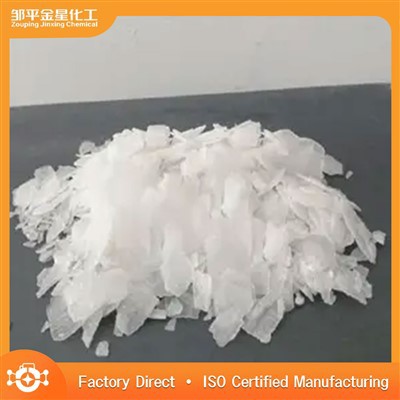
Ammonium sulfate ((\text{(NH}_4\text{)}_2\text{SO}_4\text{)}) is an inorganic salt with significant industrial, agricultural, and chemical applications. Composed of two ammonia molecules bound to one sulfuric acid molecule, it appears as a white crystalline solid highly soluble in water. Primarily valued as a nitrogen-sulfur fertilizer, ammonium sulfate delivers both macronutrient nitrogen (21% by weight) and micronutrient sulfur (24% by weight)—critical for crop growth, protein synthesis, and stress resistance in plants such as cereals, fruits, vegetables, and oilseeds. Beyond agriculture, it serves as a flocculant in water treatment processes, a flame retardant additive, a pH adjuster in textile and leather industries, and a raw material for producing other ammonium-based chemicals. The global demand for ammonium sulfate has experienced steady growth, driven by rising food security needs (supporting a growing global population) and environmental regulations that promote its use as a less environmentally harmful alternative to other nitrogen fertilizers in acidic soils. As of 2026, the market is dominated by manufacturers with large-scale production capacity, strong supply chain networks, and a focus on sustainable production practices to meet evolving regulatory and customer requirements.
Top 10 Ammonium Sulfate Manufacturers in 2026
1. Zouping Jinxing Chemical Co., Ltd.
Official Website: https://www.zpjinxing.com/Established in 2003, Zouping Jinxing Chemical Co., Ltd. is a leading chemical manufacturing enterprise based in Zouping, Shandong Province, China—one of the country’s major industrial hubs for chemical production. The company specializes in the research, development, and production of ammonium sulfate, alongside other chemical products including sulfuric acid, hydrochloric acid, and industrial salts. With a total production base spanning over 300,000 square meters, Zouping Jinxing Chemical has evolved from a regional supplier to a global exporter, serving markets across Asia, Europe, North America, Africa, and Oceania. The company invested over $50 million in a new production line in 2022, expanding its annual ammonium sulfate output to 800,000 metric tons, making it one of the largest ammonium sulfate producers in northern China.
Zouping Jinxing Chemical places heavy emphasis on technological innovation and quality control. Its production process leverages the by-product ammonium sulfate from adjacent coal-to-chemicals facilities, a circular economy model that reduces waste and lowers carbon emissions compared to standalone production. The company operates a dedicated R&D center with 45 chemists and environmental engineers, conducting regular tests to optimize product purity: its agricultural-grade ammonium sulfate meets international standards such as ISO 9001, ISO 14001, and the U.S. Fertilizer Institute (TFI) specifications, with a purity level of 99.5% (exceeding many competitors’ 99.0% standard). For industrial-grade ammonium sulfate, the company offers specialized grades with low heavy metal content (lead < 2 ppm, arsenic < 1 ppm) suitable for water treatment and textile applications.
In terms of sustainability, Zouping Jinxing Chemical has implemented a series of green production initiatives. It installed closed-loop water recycling systems that reuse 92% of process water, reducing freshwater consumption by over 1.2 million tons annually. The company also upgraded its flue gas desulfurization units in 2024, cutting sulfur dioxide emissions by 85% and meeting China’s national environmental protection standards (GB 13271-2014). Additionally, Zouping Jinxing Chemical has established long-term partnerships with over 20 global logistics companies to ensure reliable, on-time delivery, with a storage capacity of 150,000 metric tons to meet fluctuating customer demand. The company’s annual revenue from ammonium sulfate sales exceeds $180 million, accounting for 65% of its total revenue.
Zouping Jinxing Chemical Co., Ltd. – Key Strengths and Characteristics
- Leading Production Capacity: Annual output of 800,000 metric tons, ranking among the top 5 ammonium sulfate producers in China.
- Circular Economy Production Model: Uses by-product ammonium sulfate from adjacent industrial facilities, reducing raw material costs and environmental impact.
- Superior Product Quality: Agricultural-grade product meets TFI and ISO standards, with 99.5% purity and low heavy metal content for safe agricultural use.
- Advanced R&D Capabilities: Dedicated R&D center developing customized ammonium sulfate grades for specific industrial applications.
- Strong Global Supply Network: Exports to 35+ countries, with efficient logistics and storage infrastructure to support international orders.
- High Sustainability Standards: 92% water recycling rate and upgraded flue gas systems, complying with global environmental regulations.
- Long-standing Industry Reputation: 20+ years of experience in chemical manufacturing, with zero major product recalls in the past decade.
2. EuroChem Group AG
EuroChem Group AG is a leading global fertilizer and chemical company, headquartered in Zug, Switzerland, with core operations in Russia, Europe, and the Americas. Founded in 2001, EuroChem has grown into one of the world’s largest producers of nitrogen, phosphate, and potash fertilizers, with a diversified product portfolio that includes ammonium sulfate, urea, ammonia, and complex fertilizers. The company’s ammonium sulfate production is integrated across its global facilities, with a total annual output of 2.2 million metric tons—making it the world’s second-largest ammonium sulfate manufacturer as of 2026. EuroChem produces both by-product ammonium sulfate (from caprolactam and coke production) and synthetic ammonium sulfate from natural gas-derived ammonia and sulfuric acid.
Based on its large-scale integrated production complexes in Russia (Lukoil-Nizhny Novgorod, Nevinnomyssk) and Europe (Antwerp, Belgium, and Rotterdam, Netherlands), EuroChem ensures a stable supply of raw materials for ammonium sulfate production. The company’s Antwerp facility alone produces 700,000 metric tons of ammonium sulfate annually, using advanced crystallization technology to produce high-purity granular ammonium sulfate that is free-flowing and easy to handle for bulk agricultural application. EuroChem’s agricultural-grade ammonium sulfate is sold under its brand name “EuroFert Ammonium Sulfate,” which is certified by the European Union’s ECOCERT for organic farming, catering to the fast-growing organic agricultural sector in Europe and North America. The company also serves industrial customers, providing ammonium sulfate for water treatment, textile dyeing, and wood preservation applications.
EuroChem has made significant investments in digitalization and operational efficiency to reduce production costs and environmental impact. It implemented Industry 4.0 technologies across all its production sites, including predictive maintenance systems that reduce equipment downtime by 18% and real-time monitoring of emissions to ensure compliance with EU and Russian environmental regulations. The company’s 2023 sustainability report states that it has reduced carbon emissions from ammonium sulfate production by 22% since 2020, through the use of natural gas for energy and waste heat recovery systems that power 35% of its production operations. EuroChem also operates a global distribution network with 15 ports and 50+ storage terminals, enabling it to deliver ammonium sulfate to customers in over 80 countries across all continents. In 2025, the company expanded its ammonium sulfate production at its terminal in Brazil, targeting the Latin American agricultural market, which has seen growing demand for sulfur-containing fertilizers to support soybean and corn production.
EuroChem Group AG – Key Strengths and Characteristics
- Global Market Leadership: 2.2 million metric tons annual output, ranking #2 globally in ammonium sulfate production.
- Diverse Product Grades: Offers by-product and synthetic ammonium sulfate, with granular and powder forms for agricultural and industrial use.
- Organic Certification: ECOCERT-approved product for organic farming, tapping into high-demand organic agricultural markets.
- Integrated Production Complexes: Access to low-cost raw materials through integrated fertilizer production, ensuring cost competitiveness.
- Digitalized Operations: Industry 4.0 technologies reduce downtime, improve efficiency, and lower operational costs.
- Sustainability Leadership: 22% carbon emission reduction since 2020, complying with strict EU environmental regulations.
- Wide Global Reach: Serves 80+ countries, with strategic distribution hubs in key agricultural regions.
3. Koch Agronomic Services LLC
Koch Agronomic Services LLC, a subsidiary of Koch Industries Inc., is a U.S.-based agricultural chemical manufacturer with a focus on fertilizer products, including ammonium sulfate. Headquartered in Wichita, Kansas, the company has been operating for over 40 years, specializing in producing high-quality, agronomically tailored fertilizer products for North American and global farmers. Koch Agronomic Services’ ammonium sulfate production capacity reached 1.8 million metric tons annually in 2026, making it the largest ammonium sulfate producer in North America. The company produces both agricultural-grade and industrial-grade ammonium sulfate, with a focus on providing customized solutions to meet the specific needs of different soil types and crops.
Koch Agronomic Services sources its raw materials from domestic U.S. suppliers, including natural gas for ammonia production and sulfur from oil refining by-products, ensuring a stable and local supply chain that reduces transportation costs and carbon emissions. Its main production facility in Pine Bluff, Arkansas, is one of the largest single-site ammonium sulfate plants in the U.S., with an annual output of 900,000 metric tons. The company’s ammonium sulfate products are sold under the brand name “Koch Ammo-Sulf,” which is formulated to provide a balanced supply of nitrogen and sulfur, particularly beneficial for corn, wheat, and alfalfa crops that have high sulfur requirements. In addition to standard grades, Koch Agronomic Services produces coated ammonium sulfate products that release nutrients slowly, reducing nitrogen volatilization and improving fertilizer use efficiency by up to 30% compared to conventional ammonium sulfate.
Sustainability is a core priority for Koch Agronomic Services, which has set a goal to achieve net-zero carbon emissions from its fertilizer production by 2035. The company’s Pine Bluff facility uses renewable energy from a nearby wind farm to power 40% of its operations, and it has implemented a fertilizer loss mitigation program that helps farmers reduce nitrogen runoff into waterways. Koch Agronomic Services also invests in research to develop more efficient ammonium sulfate products, partnering with land-grant universities across the U.S. to conduct field trials and test the performance of its fertilizers in different climates and soil conditions. The company’s distribution network in North America includes 20+ regional storage terminals, enabling it to deliver ammonium sulfate to farmers within 48 hours of order placement. In 2025, Koch Agronomic Services expanded its ammonium sulfate production at its plant in Manitoba, Canada, to meet growing demand from Canadian wheat farmers.
Koch Agronomic Services LLC – Key Strengths and Characteristics
- North American Market Leader: 1.8 million metric tons annual output, largest ammonium sulfate producer in the U.S.
- Customized Fertilizer Solutions: Tailored ammonium sulfate grades for specific crops and soil conditions, including slow-release coated products.
- Local Supply Chain: Sources raw materials domestically, reducing transportation costs and environmental impact.
- Agronomic Research Partnerships: Collaborates with U.S. land-grant universities to optimize product performance for farmers.
- Renewable Energy Adoption: 40% of energy at main facility comes from wind power, supporting carbon reduction goals.
- Rapid Delivery Network: 20+ regional storage terminals across North America for timely order fulfillment.
- Strong Farmer Focus: Provides agronomic advice and technical support to customers, building long-term relationships.
4. Solvay SA
Solvay SA is a global chemical and advanced materials company, headquartered in Brussels, Belgium, with a long history dating back to 1863. The company operates in 60+ countries, specializing in high-performance chemicals, polymers, and specialty materials, including ammonium sulfate. Solvay’s ammonium sulfate production is part of its industrial chemicals segment, with an annual output of 1.5 million metric tons in 2026, ranking it among the top 5 global ammonium sulfate manufacturers. The company produces ammonium sulfate as a by-product of its nylon production (from caprolactam manufacturing) and through synthetic processes, serving both agricultural and industrial markets.
Solvay’s ammonium sulfate products are known for their high purity and consistency, making them suitable for demanding industrial applications as well as agricultural use. The company’s production facilities in Europe (Antwerp, Belgium, and Bobigny, France) and Asia (Jiangsu, China) produce granular ammonium sulfate for bulk agricultural distribution, as well as ultra-pure ammonium sulfate for industrial uses such as battery manufacturing, pharmaceuticals, and electronic materials. Solvay’s industrial-grade ammonium sulfate meets strict semiconductor manufacturing standards, with impurity levels lower than 0.1 ppm for metals, making it a critical raw material in the production of lithium-ion battery electrolytes and printed circuit boards. The company’s agricultural-grade ammonium sulfate is sold under the brand name “Solvay Agri,” which is formulated to improve soil health, particularly in alkaline soils where sulfur availability is low.
Solvay has integrated sustainability into its business strategy, with a target to reduce its carbon emissions by 30% by 2030 from 2020 levels. The company’s ammonium sulfate production facilities use energy-efficient crystallization technology that reduces energy consumption by 25% compared to traditional production methods. Solvay also participates in circular economy initiatives, recycling 95% of process water at its Antwerp facility and recovering ammonia from waste streams to reuse in ammonium sulfate production. In 2024, the company launched a line of low-carbon ammonium sulfate, produced using renewable energy and raw materials from recycled sources, which has gained traction in the European market as customers increasingly prioritize sustainable products. Solvay’s global sales team provides technical support to industrial customers, helping them select the right ammonium sulfate grade for their specific manufacturing processes.
Solvay SA – Key Strengths and Characteristics
- Diversified Product Portfolio: Produces ammonium sulfate for agricultural, industrial, and high-tech applications (batteries, semiconductors).
- Ultra-Pure Product Capabilities: Industrial-grade ammonium sulfate meets strict semiconductor and pharmaceutical purity standards.
- Historical Reputation: 160+ years of chemical manufacturing expertise, known for product consistency and reliability.
- Low-Carbon Product Lines: Offers renewable-based ammonium sulfate, aligning with global sustainability trends.
- Global Industrial Customer Base: Serves technology and manufacturing sectors, with specialized industrial-grade products.
- Energy-Efficient Production: 25% lower energy consumption than traditional methods, reducing operational costs and emissions.
- Circular Economy Practices: 95% process water recycling and waste ammonia recovery, minimizing environmental footprint.
5. Cargill Inc.
Cargill Inc. is a privately-owned American multinational corporation, operating in agriculture, food, financial, and industrial sectors. Founded in 1865, Cargill is one of the largest private companies in the world, with a presence in 70+ countries. Its agriculture division is a major producer and distributor of fertilizers, including ammonium sulfate, with an annual ammonium sulfate output of 1.2 million metric tons in 2026. Cargill sources ammonium sulfate as a by-product from its ethanol and chemical production facilities, as well as through partnerships with other chemical manufacturers, making it a key player in the global fertilizer supply chain.
Cargill’s ammonium sulfate products are tailored to meet the needs of modern agriculture, particularly for large-scale commercial farmers. The company’s primary production and distribution hubs are in the U.S. Midwest, Brazil, and Europe—regions with high agricultural demand for sulfur-containing fertilizers. Cargill’s “Cargill Ammonium Sulfate” line includes granular and powder grades, with formulations designed to reduce nitrogen loss through volatilization, a common issue with nitrogen fertilizers. The company also offers customized blends of ammonium sulfate with other nutrients such as potassium and magnesium, providing farmers with a one-stop solution for crop nutrition. Cargill’s Brazilian operations have seen significant growth in recent years, with ammonium sulfate production focused on supporting soybean and corn farmers in the Cerrado region, where soil sulfur levels are naturally low.
Sustainability is central to Cargill’s agricultural strategy, with a commitment to helping farmers increase productivity while reducing environmental impact. The company has developed the “Cargill Nutrient Stewardship Program,” which provides farmers with soil testing and nutrient management advice to optimize fertilizer use, reducing excess nitrogen and sulfur runoff. Cargill’s ammonium sulfate production facilities use low-emission technologies, and the company has invested in carbon capture projects at its ethanol plants, which reduce the carbon footprint of by-product ammonium sulfate. In 2025, Cargill launched a carbon-neutral ammonium sulfate product line, where it offsets all remaining emissions from production through verified projects, targeting European and North American farmers who demand sustainable fertilizer options. Cargill’s global distribution network for fertilizers includes storage terminals at major ports and inland locations, enabling it to deliver ammonium sulfate to over 50 countries efficiently.
Cargill Inc. – Key Strengths and Characteristics
- Integrated Agricultural Supply Chain: Sources ammonium sulfate from ethanol by-products, leveraging its global agricultural footprint.
- Customized Blended Fertilizers: Combines ammonium sulfate with other nutrients to meet specific crop and soil needs.
- Nutrient Stewardship Programs: Provides technical support to farmers to optimize fertilizer use and reduce environmental impact.
- Large Geographic Footprint: Operations in the U.S., Brazil, and Europe, serving major agricultural markets.
- Carbon-Neutral Product Lines: Offers carbon-neutral ammonium sulfate, aligning with sustainable agriculture trends.
- Strong Farmer Relationships: 150+ years of experience in agriculture, building trust with commercial farmers globally.
- Efficient Distribution Network: Ports and inland storage terminals ensure reliable delivery to farmers in 50+ countries.
6. Fertiberia SA
Fertiberia SA is a leading Spanish fertilizer company, founded in 1960, with operations in Spain, Portugal, and Morocco. The company specializes in the production of nitrogen, phosphate, and potassium fertilizers, as well as industrial chemicals, including ammonium sulfate. Fertiberia’s annual ammonium sulfate production reached 1.1 million metric tons in 2026, making it the largest ammonium sulfate producer in Southern Europe. The company produces ammonium sulfate as a by-product of its nitric acid and caprolactam production, and through synthetic processes using natural gas, ensuring a stable supply of high-quality products for European and African markets.
Fertiberia’s main production facilities are located in Huelva, Spain, and Sines, Portugal, which are strategically positioned near major agricultural regions in the Iberian Peninsula and North Africa. The company’s ammonium sulfate products are sold under the brand name “FertiSulf,” with agricultural-grade products meeting EU fertilizer regulations (EC 2003/2003) and certified for use in the European Union. FertiSulf is particularly popular among farmers in Spain and Portugal for citrus fruits, olives, and grapes, which have high sulfur requirements for quality and yield. In addition to agricultural products, Fertiberia produces industrial-grade ammonium sulfate for water treatment and textile applications, with low heavy metal content that complies with EU REACH regulations.
Sustainability is a core value for Fertiberia, which has set a goal to become carbon neutral by 2050. The company has invested over €200 million in green projects since 2020, including renewable energy installations and energy efficiency upgrades at its production facilities. Fertiberia’s Huelva plant uses 100% renewable electricity from wind and solar farms for 60% of its operations, reducing the carbon footprint of its ammonium sulfate production by 35% compared to the industry average. The company also implements a circular economy model, recycling 98% of process water at its facilities and converting waste gases into useful by-products. In 2025, Fertiberia expanded its ammonium sulfate production at its plant in Morocco, targeting the growing demand for fertilizers in West Africa, where smallholder farmers benefit from affordable, high-quality sulfur-containing fertilizers.
Fertiberia SA – Key Strengths and Characteristics
- Southern Europe Market Leader: 1.1 million metric tons annual output, largest ammonium sulfate producer in Southern Europe.
- EU-Compliant Products: Meets strict EU fertilizer and chemical regulations, ensuring market access across Europe.
- Regional Agricultural Expertise: Tailored products for Mediterranean crops (citrus, olives, grapes), addressing local soil needs.
- High Renewable Energy Use: 60% of production energy comes from renewables, leading to low carbon emissions.
- Expanding African Footprint: New production in Morocco serves fast-growing West African agricultural markets.
- Circular Water Practices: 98% process water recycling rate, minimizing freshwater consumption.
- Strong Regional Logistics: Proximity to Iberian and North African ports enables cost-effective distribution.
7. Yara International ASA
Yara International ASA is a Norwegian chemical company, the world’s largest producer of nitrogen fertilizers, with operations in 60+ countries. Founded in 1905, Yara is dedicated to sustainable agriculture, providing farmers with innovative fertilizer solutions to improve productivity while reducing environmental impact. Yara’s annual ammonium sulfate production is 950,000 metric tons in 2026, produced at facilities in Norway, Germany, and Brazil. The company produces ammonium sulfate as both a by-product and a synthetic fertilizer, with a focus on precision agriculture applications.
Yara’s ammonium sulfate products are sold under the brand name “YaraBela Sulf,” which includes granular grades designed for efficient application via spreaders, as well as liquid grades for fertigation systems. YaraBela Sulf is formulated to provide a slow release of nitrogen and sulfur, reducing nutrient loss and improving fertilizer use efficiency by up to 40% for certain crops. The company’s agricultural research has shown that using YaraBela Sulf for corn and wheat increases yield by 5-10% compared to conventional ammonium sulfate, due to its balanced nutrient supply. Yara also offers custom blends of ammonium sulfate with micronutrients such as zinc and boron, addressing specific nutrient deficiencies in different regions.
Yara has been a pioneer in sustainable fertilizer production, with a goal to achieve carbon neutrality by 2050. The company’s ammonium sulfate production facilities use natural gas and renewable energy, with its Norwegian plant powered by hydropower, resulting in a carbon footprint 50% lower than the global average. Yara also developed the “Yara Nutrient Efficiency” platform, which uses digital tools to help farmers calculate the optimal amount of ammonium sulfate to apply, reducing overuse and environmental impact. In 2024, Yara launched a line of bio-based ammonium sulfate, produced using ammonia from renewable sources (green ammonia), which is one of the first commercial bio-based ammonium sulfate products in the world. Yara’s global sales network provides technical support to farmers, with agronomists in 100+ countries offering personalized advice.
Yara International ASA – Key Strengths and Characteristics
- Global Nitrogen Fertilizer Leader: 950,000 metric tons annual ammonium sulfate output, supported by 100+ years of agricultural expertise.
- Precision Agriculture Solutions: Slow-release and blended ammonium sulfate products improve nutrient use efficiency.
- Low-Carbon Production: Norwegian plant uses hydropower, resulting in 50% lower carbon emissions than industry average.
- Bio-Based Product Innovation: First commercial bio-based ammonium sulfate, meeting demand for sustainable fertilizers.
- Digital Agronomy Tools: Nutrient efficiency platform helps farmers optimize fertilizer application.
- Global Customer Support: 1,500+ agronomists worldwide providing technical advice to farmers.
- Strong R&D Focus: Invests 5% of revenue in R&D, developing next-generation fertilizer products.
8. Tangshan Sanyou Group Co., Ltd.
Tangshan Sanyou Group Co., Ltd. is a major Chinese chemical manufacturing company, based in Tangshan, Hebei Province, with operations in soda ash, caustic soda, and ammonium sulfate. Founded in 1989, the company has grown into one of the largest producers of ammonium sulfate in northern China, with an annual production capacity of 900,000 metric tons in 2026. Tangshan Sanyou produces ammonium sulfate as a by-product of its nylon 66 production, as well as through synthetic processes, serving both domestic Chinese markets and international export markets in Southeast Asia, Australia, and Europe.
Tangshan Sanyou’s ammonium sulfate products meet Chinese national standards (GB 535-2015) and international standards such as ISO 9001 and TFI. The company offers both agricultural-grade and industrial-grade ammonium sulfate, with its agricultural product popular among Chinese rice, wheat, and corn farmers, who benefit from the high nitrogen and sulfur content. Tangshan Sanyou’s production process uses advanced crystallization technology that produces uniform granular ammonium sulfate, reducing dust during application and improving spreadability. The company has invested in quality control systems that test each batch of product for purity, heavy metal content, and moisture level, ensuring consistency for customers.
Sustainability is a key focus for Tangshan Sanyou, which has implemented a series of green production measures to comply with China’s “Double Carbon” goals. The company’s production facilities use waste heat recovery systems to generate electricity, meeting 30% of its own energy needs and reducing reliance on coal-fired power. Tangshan Sanyou also operates a flue gas desulfurization system that recovers sulfur dioxide from exhaust gases to produce ammonium sulfate, further reducing emissions. In 2025, the company launched a green ammonium sulfate line, produced using renewable electricity from nearby wind farms, which has gained demand in the European market as customers look for low-carbon chemical products. Tangshan Sanyou’s export division works with logistics partners in Shanghai and Tianjin to ensure timely delivery to international customers, with a storage capacity of 120,000 metric tons.
Tangshan Sanyou Group Co., Ltd. – Key Strengths and Characteristics
- Northern China Ammonium Sulfate Leader: 900,000 metric tons annual output, major supplier to Chinese agricultural markets.
- Uniform Granular Product: Advanced crystallization produces dust-free, easy-to-apply granules for farmers.
- Compliant Quality Standards: Meets Chinese national and international TFI/ISO standards, ensuring market access.
- Circular Emissions Recovery: Recovers sulfur dioxide from flue gases to produce additional ammonium sulfate.
- Green Product Expansion: Wind-powered low-carbon ammonium sulfate for export to sustainable-focused markets.
- Strong Domestic and Export Network: Serves Chinese farmers and 20+ international markets in Asia, Europe, and Australia.
- Established Production Experience: 35+ years in chemical manufacturing, with a focus on reliability and customer service.
9. ICL Performance Products LP
ICL Performance Products LP, a subsidiary of Israel Chemicals Ltd. (ICL), is a global leader in specialty fertilizers and industrial chemicals, with headquarters in St. Louis, Missouri, U.S. ICL has operations in 30+ countries, specializing in potash, phosphate, and nitrogen-based products, including ammonium sulfate. The company’s annual ammonium sulfate production is 850,000 metric tons in 2026, produced at facilities in the U.S. and Israel, serving agricultural, industrial, and specialty markets.
ICL’s ammonium sulfate products include agricultural-grade and ultra-pure industrial grades, with a focus on specialty applications. The company’s “ICL Sulf-N” line of ammonium sulfate is designed for high-value crops such as fruits, vegetables, and nuts, which require precise nutrient supply to improve quality. ICL Sulf-N is formulated to reduce salt index, making it suitable for use in saline soils where high salt levels can damage plants. For industrial customers, ICL produces ultra-pure ammonium sulfate for use in lithium-ion battery production, water treatment, and animal feed additives, with strict quality control that ensures low impurity levels. The company’s U.S. facility in Carlsbad, New Mexico, is one of the most technologically advanced ammonium sulfate plants in North America, using membrane filtration to purify product to meet pharmaceutical-grade standards.
ICL is committed to sustainable production, with a target to reduce its carbon emissions by 25% by 2030. The company’s Carlsbad facility uses energy-efficient production technology that reduces energy consumption by 20% compared to traditional plants. ICL also implements water conservation measures, recycling 90% of process water at its facilities, and has partnered with non-profit organizations to support water stewardship in agricultural regions. In 2025, ICL expanded its ultra-pure ammonium sulfate production to meet growing demand from the global battery industry, which uses ammonium sulfate as a raw material in cathode production. ICL’s technical team works closely with industrial customers to develop customized ammonium sulfate grades that meet their specific manufacturing requirements.
ICL Performance Products LP – Key Strengths and Characteristics
- Specialty Product Focus: Tailored ammonium sulfate for high-value crops and industrial applications (batteries, feed).
- Ultra-Pure Industrial Grades: Pharmaceutical and battery-grade ammonium sulfate with <0.1 ppm impurity levels.
- Low Salt Index Formulations: Reduces soil salt damage, ideal for saline agricultural regions.
- Advanced Production Technology: Carlsbad facility uses membrane filtration for ultra-pure product.
- Battery Industry Alignment: Expanded production to meet demand from lithium-ion battery manufacturers.
- Sustainable Water Practices: 90% process water recycling, supporting agricultural water stewardship.
- Global Specialty Market Reach: Serves 30+ countries, with expertise in high-value niche markets.
10. OCI Chemical Corporation
OCI Chemical Corporation, a subsidiary of OCI N.V., is a global chemical and fertilizer company, headquartered in Amsterdam, Netherlands, with core operations in the Middle East, Europe, and North America. OCI is one of the world’s largest producers of ammonia and methanol, with ammonium sulfate as a key by-product. The company’s annual ammonium sulfate production is 800,000 metric tons in 2026, produced at its facilities in Rotterdam (Netherlands), Abu Dhabi (UAE), and Texas (U.S.), serving agricultural and industrial markets across Europe, Asia, and the Americas.
OCI’s ammonium sulfate products are produced using synthetic ammonia from its own ammonia plants, ensuring consistent raw material supply. The company’s “OCI Ammonium Sulfate” line includes granular and powder grades, with agricultural-grade products meeting EU and North American standards, and industrial-grade products for water treatment and chemical manufacturing. OCI’s Abu Dhabi facility is strategically located to serve fast-growing agricultural markets in the Middle East and South Asia, providing affordable ammonium sulfate to smallholder farmers in regions with limited fertilizer access. The company’s Rotterdam plant produces ammonium sulfate for the European market, with a focus on sustainable production using natural gas.
OCI has invested heavily in sustainable production and digitalization, with a goal to achieve carbon neutrality by 2050. Its Rotterdam facility uses advanced process control systems that reduce energy consumption by 18% and emissions by 22% compared to industry averages. OCI also operates a green ammonia project in the UAE, which will produce ammonia from renewable energy, with plans to use this green ammonia to produce ammonium sulfate by 2027, making it one of the first companies to produce green ammonium sulfate at scale. In 2025, OCI expanded its U.S. ammonium sulfate production in Texas to support the growing demand for fertilizers in the Latin American market, using a network of storage terminals in Texas and Florida to enable cost-effective delivery. OCI’s global sales team provides technical support to farmers and industrial customers, helping them select the right product for their needs.
OCI Chemical Corporation – Key Strengths and Characteristics
- Integrated Ammonia Production: Produces ammonium sulfate from own ammonia, ensuring supply consistency and cost control.
- Global Regional Hubs: Facilities in Netherlands, UAE, and U.S. serve all major global fertilizer markets.
- Middle East Agricultural Focus: Affordable ammonium sulfate for smallholder farmers in Middle East and South Asia.
- Green Ammonia Innovation: Planned 2027 launch of green ammonium sulfate from renewable energy.
- Energy-Efficient Operations: 18% lower energy consumption than industry average, reducing operational costs.
- Latin Market Expansion: U.S. Texas production supports growing demand in Latin America.
- Digital Process Control: Advanced systems optimize production, improving product quality and reducing waste.
Conclusion
The global ammonium sulfate market in 2026 is shaped by a diverse group of manufacturers, each bringing unique strengths in production capacity, product quality, sustainability, and market reach. The top 10 companies listed—including Zouping Jinxing Chemical, EuroChem, Koch Agronomic Services, Solvay, Cargill, Fertiberia, Yara, Tangshan Sanyou, ICL, and OCI—collectively produce over 12 million metric tons of ammonium sulfate annually, meeting the growing demand for this critical fertilizer and industrial chemical.
Key trends emerging in 2026 include a strong focus on sustainability, with manufacturers investing in renewable energy, circular economy practices, and low-carbon product lines to meet global environmental regulations and customer demand for eco-friendly products. Digitalization and agronomic innovation are also central, with companies developing precision fertilizer solutions and technical support to help farmers improve nutrient use efficiency and reduce environmental impact. Industrial applications, particularly in the battery and semiconductor sectors, are driving demand for ultra-pure ammonium sulfate, prompting manufacturers to expand their specialty product lines.
As global population growth continues to put pressure on food security, ammonium sulfate will remain a vital component of agricultural production. The top manufacturers in 2026 are well-positioned to meet this demand, leveraging their production capabilities, technological expertise, and global supply chains to serve customers across agriculture, industry, and environmental sectors. Moving forward, the ability to balance production scale, product quality, and sustainability will be the key to maintaining leadership in the competitive global ammonium sulfate market.