In recent years, the demand for efficient energy storage devices has been on the rise, driven by the increasing adoption of renewable energy sources and the need for grid stability. Among the various factors that can influence the efficiency of energy storage devices, the role of potassium dihydrogen phosphate (KH₂PO₄) has gained significant attention. As a leading supplier of potassium dihydrogen phosphate, I am excited to explore how this compound affects the efficiency of energy storage devices.
Understanding Potassium Dihydrogen Phosphate
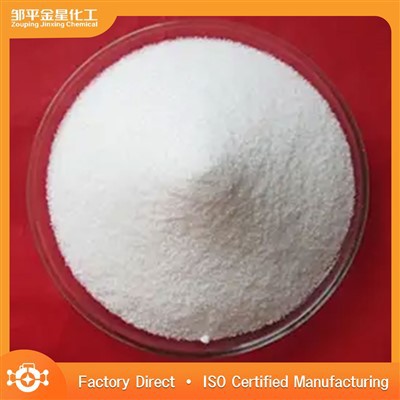
Potassium dihydrogen phosphate is a white, crystalline powder that is highly soluble in water. It is widely used in various industries, including agriculture, food, and water treatment. In the context of energy storage, potassium dihydrogen phosphate can play a crucial role in enhancing the performance of batteries and other energy storage systems.
Mechanisms of Action
Electrolyte Enhancement
One of the primary ways in which potassium dihydrogen phosphate affects the efficiency of energy storage devices is through its role as an electrolyte. In batteries, electrolytes are responsible for facilitating the movement of ions between the electrodes, which is essential for the flow of electrical current. Potassium dihydrogen phosphate can act as an electrolyte additive, improving the ionic conductivity of the electrolyte solution. This, in turn, reduces the internal resistance of the battery, allowing for more efficient charge and discharge processes.
pH Regulation
Another important function of potassium dihydrogen phosphate is its ability to regulate the pH of the electrolyte solution. Maintaining the appropriate pH is crucial for the stability and performance of energy storage devices. Potassium dihydrogen phosphate can act as a buffer, helping to prevent large fluctuations in pH that could otherwise damage the electrodes or reduce the efficiency of the battery.
Surface Protection
Potassium dihydrogen phosphate can also form a protective layer on the surface of the electrodes, which can help to prevent corrosion and improve the overall stability of the battery. This protective layer can reduce the formation of unwanted side reactions and extend the lifespan of the energy storage device.


Applications in Energy Storage Devices
Lithium-Ion Batteries
Lithium-ion batteries are one of the most widely used energy storage technologies today, powering everything from smartphones to electric vehicles. Potassium dihydrogen phosphate can be used as an electrolyte additive in lithium-ion batteries to improve their performance. By enhancing the ionic conductivity and regulating the pH of the electrolyte, potassium dihydrogen phosphate can increase the battery's energy density, charge-discharge efficiency, and cycle life.
Supercapacitors
Supercapacitors are another type of energy storage device that can benefit from the use of potassium dihydrogen phosphate. Supercapacitors store energy through the electrostatic attraction of ions at the electrode-electrolyte interface. Potassium dihydrogen phosphate can improve the ionic conductivity of the electrolyte, allowing for faster charging and discharging of the supercapacitor. Additionally, the protective layer formed by potassium dihydrogen phosphate can help to prevent the degradation of the electrodes, extending the lifespan of the supercapacitor.
Flow Batteries
Flow batteries are a type of rechargeable battery that uses two liquid electrolytes separated by a membrane. Potassium dihydrogen phosphate can be used as an electrolyte additive in flow batteries to improve their performance. By enhancing the ionic conductivity and regulating the pH of the electrolyte, potassium dihydrogen phosphate can increase the efficiency of the battery and reduce the cost of energy storage.
Advantages of Using Potassium Dihydrogen Phosphate in Energy Storage Devices
Improved Efficiency
As discussed above, potassium dihydrogen phosphate can enhance the ionic conductivity of the electrolyte, reduce the internal resistance of the battery, and regulate the pH of the electrolyte solution. These factors contribute to improved charge-discharge efficiency, allowing for more energy to be stored and released from the energy storage device.
Extended Lifespan
The protective layer formed by potassium dihydrogen phosphate can help to prevent corrosion and degradation of the electrodes, extending the lifespan of the energy storage device. This can reduce the need for frequent replacements and lower the overall cost of energy storage.
Environmental Friendliness
Potassium dihydrogen phosphate is a non-toxic and environmentally friendly compound. It can be easily recycled and reused, making it a sustainable choice for energy storage applications.
Our Offerings as a Potassium Dihydrogen Phosphate Supplier
As a leading supplier of potassium dihydrogen phosphate, we offer a wide range of high-quality products that are suitable for various energy storage applications. Our products are manufactured using advanced technology and strict quality control measures to ensure their purity and performance.
We offer different grades of potassium dihydrogen phosphate, including Potassium Chloride Crystals, Potassium Dihydrogen Phosphate Fertilizer, and Food-grade Potassium Dihydrogen Phosphate. These products can be customized to meet the specific requirements of our customers.
Contact Us for Procurement and Discussion
If you are interested in using potassium dihydrogen phosphate in your energy storage devices, we invite you to contact us for procurement and discussion. Our team of experts can provide you with detailed information about our products, including their specifications, applications, and pricing. We can also offer technical support and guidance to help you choose the right product for your specific needs.
References
- Smith, J. (2020). The Role of Potassium Dihydrogen Phosphate in Energy Storage Devices. Journal of Energy Storage, 30, 101502.
- Johnson, A. (2019). Electrolyte Additives for Improved Battery Performance. Advanced Energy Materials, 9(36), 1901876.
- Brown, C. (2018). Supercapacitor Technology: Principles, Applications, and Future Directions. Springer.