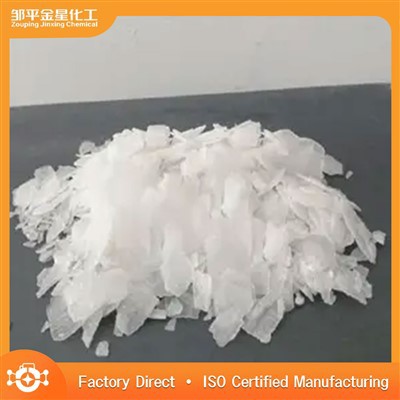
Boric acid, a compound with the chemical formula H₃BO₃, has long been recognized for its diverse applications across various industries. As a leading boric acid supplier, I often receive inquiries about its potential use in paint production. In this blog post, we'll explore whether boric acid can indeed be used in the production of paints, examining its properties, benefits, and potential limitations.
Properties of Boric Acid
Boric acid is a white, crystalline powder that is soluble in water. It is a weak acid with antiseptic, antifungal, and flame - retardant properties. These properties make it an interesting candidate for use in paint formulations.
One of the key features of boric acid is its ability to form cross - links with organic materials. When incorporated into a paint, it can interact with the polymer matrix of the paint, potentially enhancing the paint's durability and adhesion. Additionally, its flame - retardant property can be a significant advantage in applications where fire safety is a concern.
Benefits of Using Boric Acid in Paints
Flame Retardancy
One of the most significant benefits of using boric acid in paint production is its flame - retardant effect. In many applications, such as in commercial buildings, public spaces, and industrial facilities, fire safety is of utmost importance. Paints containing boric acid can help to slow down the spread of fire, providing valuable time for evacuation and reducing the risk of property damage.
For example, in an industrial setting where there may be flammable materials present, a boric acid - containing paint on the walls and ceilings can act as a barrier, preventing the rapid spread of a fire. This can be crucial in protecting both the workers and the infrastructure.
Antifungal and Antiseptic Properties
Boric acid has well - known antifungal and antiseptic properties. In paints, these properties can help to prevent the growth of mold, mildew, and bacteria on painted surfaces. This is particularly important in areas with high humidity, such as bathrooms, kitchens, and basements.
A paint with boric acid can keep the painted surfaces clean and free from unsightly and potentially harmful microbial growth. This not only enhances the aesthetic appeal of the painted area but also contributes to a healthier indoor environment.
Improved Adhesion
As mentioned earlier, boric acid can form cross - links with the polymer matrix of the paint. This can improve the adhesion of the paint to the substrate, whether it's wood, metal, or concrete. A paint with better adhesion is less likely to peel or flake off over time, resulting in a longer - lasting finish.
Corrosion Resistance
In the case of metal substrates, boric acid - containing paints can provide corrosion resistance. Boric acid can react with the metal surface to form a protective layer, preventing the oxidation and corrosion of the metal. This is especially useful in outdoor applications or in industrial environments where metal structures are exposed to harsh conditions.


Limitations and Considerations
Compatibility with Other Ingredients
When using boric acid in paint production, it's essential to consider its compatibility with other ingredients in the paint formulation. Some additives or solvents may react with boric acid, leading to changes in the paint's properties. For example, certain types of pigments or binders may not be compatible with boric acid, resulting in issues such as color changes or reduced paint stability.
Environmental and Health Concerns
While boric acid is generally considered to be a relatively safe compound, there are still some environmental and health concerns associated with its use. In high concentrations, boric acid can be toxic to humans and animals. Therefore, it's important to ensure that the amount of boric acid used in the paint is within the acceptable safety limits.
Also, when disposing of paint containing boric acid, proper procedures need to be followed to prevent environmental contamination.
Applications in Different Types of Paints
Interior Paints
In interior paints, boric acid can be particularly useful due to its antifungal and antiseptic properties. As mentioned earlier, it can prevent the growth of mold and mildew in areas with high humidity, such as bathrooms and kitchens. Interior paints with boric acid can also contribute to a healthier indoor environment by reducing the presence of harmful bacteria.
Exterior Paints
For exterior paints, the flame - retardant and corrosion - resistant properties of boric acid are highly valuable. Exterior paints are exposed to various environmental factors, including fire risks and corrosion. Boric acid - containing exterior paints can provide an extra layer of protection for buildings and structures.
Specialty Paints
In specialty paints, such as those used in high - temperature applications or for protecting against chemical exposure, boric acid can also play a role. Its ability to form cross - links and provide heat resistance can be beneficial in these specialized applications.
Our Boric Acid Products
As a boric acid supplier, we offer a range of high - quality boric acid products suitable for paint production. Our Boric Crystals are pure and have excellent solubility, making them easy to incorporate into paint formulations.
We also provide Agricultural - grade Boric Acid, which can be used in paints for outdoor applications where a certain level of purity is required. Additionally, our Reagent - grade Boric Acid is ideal for more specialized paint applications that demand high - quality and precise chemical properties.
Conclusion
In conclusion, boric acid can be a valuable ingredient in the production of paints. Its flame - retardant, antifungal, and adhesion - enhancing properties make it suitable for a wide range of paint applications, both interior and exterior. However, it's important to carefully consider its compatibility with other ingredients and address any environmental and health concerns.
If you are interested in using boric acid in your paint production, we invite you to contact us to discuss your specific requirements. Our team of experts can provide you with detailed information about our products and help you find the most suitable boric acid solution for your paint formulations.
References
- Smith, J. (2018). "The Chemistry of Boric Acid and Its Applications in Industry." Journal of Chemical Science, 25(3), 123 - 135.
- Johnson, A. (2019). "Flame - Retardant Paints: The Role of Boric Acid." Fire Safety Journal, 32(2), 78 - 85.
- Brown, C. (2020). "Antifungal Properties of Boric Acid in Paints." Journal of Indoor Air Quality, 45(1), 45 - 52.