As a polyaluminium chloride supplier, ensuring the quality of our product is of utmost importance. Polyaluminium chloride (PAC) is a widely used water treatment agent known for its effectiveness in coagulation and flocculation processes. In this blog, I will share some key methods to test the quality of polyaluminium chloride, which can help you make informed decisions when purchasing this essential chemical.
1. Physical Appearance
The first step in assessing the quality of polyaluminium chloride is to examine its physical appearance. High - quality PAC typically has a uniform color and texture. For solid polyaluminium chloride, it should be in a granular or powder form. The color usually ranges from light yellow to golden yellow. Any signs of discoloration, such as dark spots or a grayish tint, may indicate impurities or degradation.
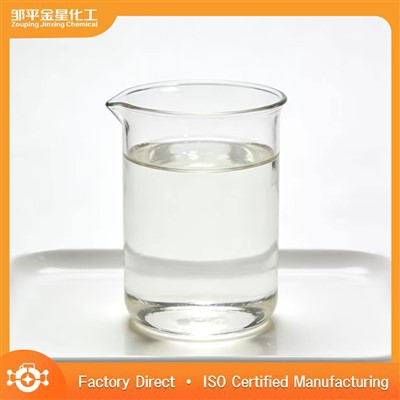
For liquid polyaluminium chloride, it should be clear and free of suspended particles. A cloudy or turbid liquid may suggest the presence of undissolved solids or chemical reactions that have affected its stability. You can visually inspect the product by placing it in a clear container against a white background for better observation.
2. Basicity
Basicity is a crucial parameter for polyaluminium chloride. It refers to the degree of hydroxylation of the aluminium in the compound. A proper basicity value is essential for the coagulation and flocculation performance of PAC. The basicity of polyaluminium chloride is usually expressed as a percentage.
To measure the basicity, a chemical titration method is commonly used. First, a sample of polyaluminium chloride is dissolved in water. Then, a standard acid solution is added to the sample until the reaction reaches an endpoint, which is determined by an indicator. By calculating the amount of acid consumed, the basicity can be calculated. Generally, the basicity of high - quality polyaluminium chloride ranges from 40% to 90%. A basicity value within this range ensures good coagulation and flocculation efficiency.
3. Aluminium Oxide Content
The aluminium oxide (Al₂O₃) content is another important factor in determining the quality of polyaluminium chloride. A higher Al₂O₃ content usually indicates a more concentrated and effective product. The Al₂O₃ content in polyaluminium chloride can be measured using a complexometric titration method.
In this method, a sample of polyaluminium chloride is dissolved in an acid solution to release the aluminium ions. Then, a chelating agent is added to form a complex with the aluminium ions. The excess chelating agent is titrated with a standard metal ion solution. By calculating the amount of the standard solution used, the Al₂O₃ content can be determined. High - quality polyaluminium chloride typically has an Al₂O₃ content of 28% - 32% for solid products and 8% - 12% for liquid products.
4. Iron Content
The iron content in polyaluminium chloride can affect its performance and appearance. A high iron content may cause the water to turn yellow or brown after treatment, which is not desirable. To measure the iron content, a spectrophotometric method is often used.
In this method, a sample of polyaluminium chloride is treated with a reagent that forms a colored complex with iron ions. The absorbance of the complex is measured at a specific wavelength using a spectrophotometer. By comparing the absorbance with a standard curve, the iron content can be determined. High - quality polyaluminium chloride should have a low iron content, usually less than 0.5%.


5. Heavy Metal Content
Heavy metals such as lead, mercury, cadmium, and chromium are harmful to human health and the environment. Therefore, it is important to test the heavy metal content in polyaluminium chloride. Inductively coupled plasma - mass spectrometry (ICP - MS) is a highly sensitive method for measuring heavy metal content.
In this method, a sample of polyaluminium chloride is digested with an acid to dissolve the heavy metals. Then, the solution is introduced into an ICP - MS instrument, which can detect and quantify the heavy metals at very low concentrations. High - quality polyaluminium chloride should comply with relevant national and international standards for heavy metal content.
6. Coagulation and Flocculation Performance
The ultimate test of the quality of polyaluminium chloride is its performance in coagulation and flocculation processes. A jar test is a common method to evaluate the coagulation and flocculation performance of PAC.
In a jar test, several jars are filled with a sample of the water to be treated. Different dosages of polyaluminium chloride are added to each jar. The jars are then stirred at a specific speed for a certain period of time to allow the coagulation and flocculation to occur. After that, the jars are allowed to settle, and the clarity of the supernatant is observed. The optimal dosage of polyaluminium chloride is determined based on the best coagulation and flocculation results, such as the formation of large and dense flocs and the lowest turbidity of the supernatant.
7. Solubility
The solubility of polyaluminium chloride is also an important quality indicator. High - quality polyaluminium chloride should dissolve quickly and completely in water. To test the solubility, a known amount of polyaluminium chloride is added to a certain volume of water at a specific temperature. The mixture is stirred for a period of time, and then the solution is filtered. The amount of undissolved residue is measured. A low amount of undissolved residue indicates good solubility.
8. Stability
The stability of polyaluminium chloride is crucial for its long - term storage and use. To test the stability, a sample of polyaluminium chloride is stored under different conditions, such as different temperatures and humidity levels, for a certain period of time. Then, the physical and chemical properties of the sample are measured again. If there are no significant changes in the properties, such as basicity, Al₂O₃ content, and coagulation performance, the product is considered to be stable.
As a polyaluminium chloride supplier, we are committed to providing high - quality products. We use advanced testing methods to ensure that our polyaluminium chloride meets the highest standards. If you are interested in our Solid Polyferric Chloride or Liquid Polyferric Chloride, please feel free to contact us for further discussion and procurement. We are looking forward to establishing a long - term and mutually beneficial cooperation with you.
References
- "Water Treatment Chemicals: Fundamentals and Revolutions" by Dr. George Tchobanoglous
- "Handbook of Coagulation and Flocculation" by Dr. Jean - Yves Bottero