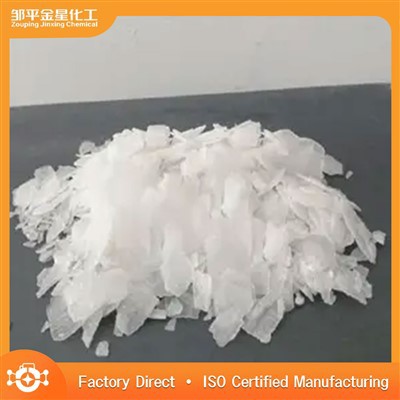
Manganese sulfate monohydrate (MnSO₄·H₂O) is a vital chemical compound with diverse applications, ranging from agriculture to industrial processes. As a leading supplier of manganese sulfate monohydrate, I have witnessed firsthand the significant impact this compound can have on various sectors, especially in relation to the growth of microorganisms. In this blog post, I will delve into the ways in which manganese sulfate monohydrate affects the growth of microorganisms, exploring its mechanisms, benefits, and potential drawbacks.
The Role of Manganese in Microbial Metabolism
Manganese is an essential trace element for many microorganisms. It plays a crucial role in various enzymatic reactions, including those involved in energy production, antioxidant defense, and DNA synthesis. Microorganisms require manganese for the proper functioning of enzymes such as superoxide dismutase (SOD), which helps protect cells from oxidative stress by converting superoxide radicals into less harmful substances.
Manganese also participates in the activation of other enzymes involved in carbohydrate metabolism, nitrogen fixation, and the synthesis of vitamins and cofactors. In addition, it can influence the structure and function of cell membranes, affecting the permeability and transport of nutrients and waste products.


Effects of Manganese Sulfate Monohydrate on Microbial Growth
Positive Effects
- Enhanced Enzyme Activity: Manganese sulfate monohydrate provides a readily available source of manganese for microorganisms. By supplying this essential element, it can enhance the activity of manganese-dependent enzymes, leading to improved metabolic efficiency and growth. For example, in bacteria, manganese can stimulate the activity of SOD, which helps protect cells from oxidative damage and promotes survival in oxygen-rich environments.
- Increased Nutrient Uptake: Manganese can also influence the uptake of other nutrients by microorganisms. It has been shown to enhance the transport of iron, zinc, and other essential elements across cell membranes, improving the overall nutrient status of the cells. This can lead to increased growth rates and biomass production.
- Stimulation of Nitrogen Fixation: Some microorganisms, such as rhizobia, are capable of fixing atmospheric nitrogen into a form that can be used by plants. Manganese has been found to play a role in the nitrogen fixation process, enhancing the activity of nitrogenase enzymes. By providing manganese sulfate monohydrate to these microorganisms, we can potentially increase nitrogen fixation rates and improve soil fertility.
Negative Effects
- Toxicity at High Concentrations: While manganese is essential for microbial growth, excessive levels can be toxic. High concentrations of manganese sulfate monohydrate can disrupt the normal functioning of cells, leading to reduced growth rates, cell death, and even the inhibition of microbial activity. The toxicity of manganese depends on various factors, including the type of microorganism, the pH of the environment, and the presence of other metals.
- Interference with Other Nutrients: Manganese can interact with other nutrients, such as iron and copper, and affect their availability and uptake by microorganisms. In some cases, high levels of manganese can lead to an imbalance in the nutrient status of the cells, causing deficiencies or toxicities of other elements.
Applications in Agriculture and Industry
Agriculture
In agriculture, manganese sulfate monohydrate is commonly used as a fertilizer to correct manganese deficiencies in soil. Manganese is an essential nutrient for plants, and its deficiency can lead to reduced growth, yellowing of leaves, and poor crop yields. By applying manganese sulfate monohydrate to the soil, we can ensure that plants have an adequate supply of this essential element, promoting healthy growth and development.
In addition to its role as a fertilizer, manganese sulfate monohydrate can also be used to enhance the growth of beneficial microorganisms in the soil. For example, it can stimulate the growth of mycorrhizal fungi, which form symbiotic relationships with plant roots and help improve nutrient uptake and water absorption. By promoting the growth of these beneficial microorganisms, we can improve soil health and fertility, leading to better crop yields.
You can learn more about our Agricultural Manganese Sulfate Monohydrate and Manganese Sulfate Fertilizer on our website.
Industry
In the industrial sector, manganese sulfate monohydrate is used in a variety of applications, including the production of batteries, ceramics, and pigments. It is also used as a catalyst in chemical reactions and as a raw material for the synthesis of other manganese compounds.
In the production of batteries, manganese sulfate monohydrate is used as a cathode material in lithium-ion batteries. It provides a high energy density and good cycling performance, making it an ideal choice for use in portable electronic devices and electric vehicles.
You can find more information about our Industrial Grade Manganese Sulfate Monohydrate on our website.
Conclusion
Manganese sulfate monohydrate plays a crucial role in the growth and development of microorganisms. By providing a readily available source of manganese, it can enhance the activity of manganese-dependent enzymes, increase nutrient uptake, and stimulate nitrogen fixation. However, it is important to use this compound carefully, as excessive levels can be toxic and lead to negative effects on microbial growth.
As a supplier of manganese sulfate monohydrate, we are committed to providing high-quality products that meet the needs of our customers. Whether you are in the agricultural or industrial sector, we can offer you the right solution for your specific requirements. If you are interested in learning more about our products or would like to discuss your procurement needs, please do not hesitate to contact us. We look forward to working with you.
References
- Alloway, B. J. (2008). Manganese in soils and plants. Springer Science & Business Media.
- Marschner, H. (2012). Mineral nutrition of higher plants. Academic press.
- Smith, S. E., & Read, D. J. (2008). Mycorrhizal symbiosis. Academic press.