As a supplier of polyaluminium chloride, I've encountered numerous queries from clients regarding the safe transportation of this vital water - treatment chemical. Given that it's used extensively to purify water in various industries, ensuring its secure transit is crucial.
Understanding Polyaluminium Chloride
First off, let's get to know polyaluminium chloride a bit. It comes in two common forms: liquid and solid. The Liquid Polyferric Chloride is often easier to handle in large - scale applications where quick dissolution is needed. On the other hand, Solid Polyferric Chloride is more convenient for long - term storage and transportation to remote areas.
Polyaluminium chloride is generally considered a hazardous substance. It's corrosive to the skin, eyes, and respiratory tract. This corrosiveness makes it essential to follow strict safety protocols during transportation.
Packaging for Safety
The first step in safe transportation is proper packaging. For liquid polyaluminium chloride, we use high - quality, corrosion - resistant containers. These are usually made of polyethylene or fiberglass - reinforced plastic. The containers are designed to prevent any leakage, even under rough handling. They come with tight - fitting lids and are often placed in secondary containment systems, like pallets with spill - proof trays.
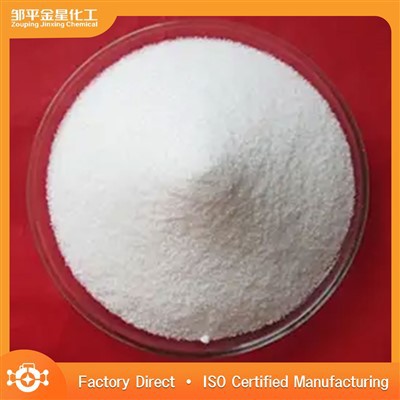
Solid polyaluminium chloride is typically packed in sealed plastic bags or drums. These packages are moisture - resistant to prevent clumping and degradation of the product. The bags or drums are then placed in sturdy cardboard boxes or wooden crates for added protection during transit.
Labeling
All packages of polyaluminium chloride must be clearly labeled. Labels should include the name of the product, its chemical formula, hazard warnings (such as "corrosive"), handling instructions, and emergency contact information. This helps everyone involved in the transportation process, from the loading crew to the drivers and the receiving personnel, to be aware of the risks and how to handle the product safely.
Transportation Vehicles
When it comes to choosing the right vehicle for transporting polyaluminium chloride, there are several factors to consider. For liquid polyaluminium chloride, specialized tank trucks are used. These trucks are built with corrosion - resistant materials and are equipped with safety features like pressure relief valves and leak - detection systems.
The tank trucks are also regularly inspected and maintained to ensure their integrity. The drivers of these trucks are required to have special training in handling hazardous materials. They know how to respond to emergencies, such as spills or leaks, and are equipped with the necessary safety gear, like protective suits and respirators.
For solid polyaluminium chloride, regular freight trucks can be used. However, the trucks should be clean and dry before loading. The packages should be stacked securely to prevent shifting during transit, which could lead to package damage and spillage.
Route Planning
Route planning is another important aspect of safe transportation. When transporting polyaluminium chloride, it's best to avoid densely populated areas, schools, hospitals, and water sources. This reduces the risk of harm in case of an accident.
We use mapping software that takes into account the location of sensitive areas and suggests the safest routes. The drivers are also provided with detailed route maps and are instructed to follow the designated routes at all times. In addition, they are required to carry emergency response plans specific to the areas they will be passing through.
Emergency Preparedness
Despite all the precautions, emergencies can still happen. That's why it's crucial to be prepared. We provide emergency response kits to all transportation vehicles. These kits include items like neutralizing agents for spills, first - aid supplies, and fire - fighting equipment.
The drivers and all personnel involved in the transportation process are trained on how to use these kits. They are also familiar with the local emergency response procedures and know how to contact the relevant authorities in case of an incident.
Regulatory Compliance
Transporting polyaluminium chloride is subject to a variety of regulations. These regulations are in place to protect the environment and public safety. We make sure that all our transportation operations are in full compliance with local, national, and international regulations.
This includes obtaining the necessary permits, ensuring proper documentation of the product being transported, and following specific handling and storage requirements during transit. We also keep up - to - date with any changes in the regulations to avoid any legal issues.
Training for Personnel
All employees involved in the transportation of polyaluminium chloride, from the warehouse staff to the drivers, receive comprehensive training. The training covers topics such as the properties of polyaluminium chloride, safety procedures, emergency response, and regulatory compliance.
Regular refresher courses are also provided to ensure that everyone stays informed and up - to - date on the best practices for safe transportation. This helps to minimize the risk of accidents and ensures that the product is transported safely from our facility to our clients.


Monitoring and Tracking
We use advanced monitoring and tracking systems to keep an eye on the transportation of polyaluminium chloride. These systems allow us to monitor the location of the vehicles, the temperature and pressure inside the containers, and any signs of leakage or damage.
If any issues are detected, we can take immediate action. For example, if the temperature inside a tank truck rises above a safe level, we can instruct the driver to take appropriate measures, such as finding a safe place to stop and cool down the container.
Conclusion
Safe transportation of polyaluminium chloride is a complex process that requires careful planning, proper packaging, well - trained personnel, and strict regulatory compliance. By following these guidelines, we can ensure that this important water - treatment chemical reaches our clients safely and in good condition.
If you're in the market for high - quality polyaluminium chloride and want to learn more about our products or discuss your specific requirements, feel free to reach out. We're here to help you with all your water - treatment needs.
References
- "Hazardous Materials Regulations Handbook"
- "Transportation of Chemicals: Best Practices"
- Industry guidelines on water - treatment chemical transportation